
Imagine a world where every single medication you needed was a brand-name product with a price tag that could bankrupt a family. For a huge chunk of American history, that was essentially the reality. The shift toward history of generic drugs isn't just a story of chemistry; it's a story of survival, tragedy, and a long-fought battle to make medicine affordable without sacrificing safety.
The Early Days: Setting the Ground Rules
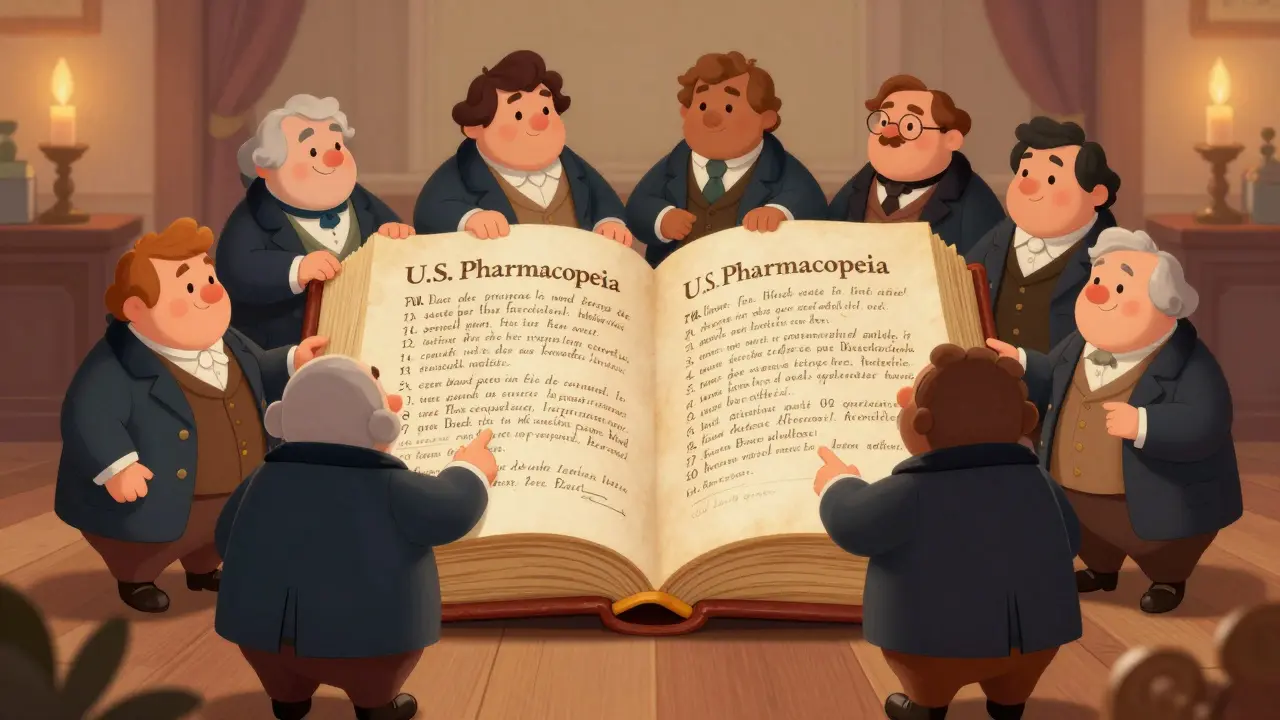
Long before we had modern pharmacies, the US had a bit of a "wild west" situation with medicine. Things started to change in 1820 when eleven physicians met in Washington, D.C., to create the U.S. Pharmacopeia, which was essentially the first official handbook for standardizing drugs. They realized that if two different doctors prescribed the same medicine, it actually needed to be the same stuff.
By 1848, the government stepped in with the Drug Importation Act. This was the first real attempt to stop "adulterated" or fake drugs from crossing the border. A few decades later, in 1888, the American Pharmaceutical Association launched the National Formulary to fight counterfeiting. But for a long time, these were just guidelines. There was no "drug police" to make sure companies actually followed them.
Tragedies That Forced Change
Real change usually happens after a disaster. In 1906, President Theodore Roosevelt signed the Federal Food and Drugs Act. This was a game-changer because it required labels on products. It meant the government could finally sue companies for lying about what was in their bottles. This law laid the groundwork for the Food and Drug Administration (FDA) we know today.
However, the most heartbreaking turning point came in 1937. A company released "Elixir Sulfanilamide," a liquid version of a sulfa drug. To make it dissolve, they used diethylene glycol-which is basically antifreeze. It killed 107 people, most of them children. This horror story led directly to the 1938 Federal Food, Drug, and Cosmetic Act. For the first time, manufacturers had to prove a drug was safe before selling it. No more guessing.
Defining the Prescription Era
As medicine became more complex, the government had to decide who could actually handle these substances. The 1951 Durham-Humphrey Amendment drew a line in the sand: some drugs were safe for over-the-counter use, and others required a licensed practitioner's prescription. If you've ever wondered why you can buy aspirin without a script but need one for blood pressure meds, this 1951 law is why.
The 1960s brought another wave of strictness. After the Thalidomide tragedy (which caused severe birth defects), the 1962 Kefauver-Harris Drug Amendments required companies to prove not just that a drug was safe, but that it actually worked. This is where the concept of "efficacy" became a legal requirement. Around this time, the government also started pushing for generics through Medicaid and Medicare to stop brand-name companies from hiking prices unchecked.
The Hatch-Waxman Act: The Modern Era
If there is one single piece of legislation that defines the generic drug industry, it's the 1984 Drug Price Competition and Patent Term Restoration Act, better known as the Hatch-Waxman Act. Before this law, generic drugs were rare-only about 19% of prescriptions. Today, that number is over 90%.
The genius of Hatch-Waxman was the balance it struck. It gave brand-name companies a way to extend their patents to reward innovation, but it gave generic makers a shortcut called the Abbreviated New Drug Application (ANDA). Instead of spending years and millions of dollars repeating clinical trials on humans, generic companies only had to prove "bioequivalence." Basically, they just had to show the FDA that their version hit the bloodstream in the same way and at the same speed as the original.
| Feature | Brand-Name (Innovator) | Generic (ANDA) |
|---|---|---|
| Testing Required | Full Clinical Trials (Safety & Efficacy) | Bioequivalence Tests |
| Cost to Develop | Extremely High (Billions) | Significantly Lower |
| Approval Timeline | Long (Years of Research) | Shorter (Streamlined) |
| Patent Status | Holds the Patent | Waits for Patent Expiration |
The Battle for the Market
It hasn't all been smooth sailing. Brand-name companies aren't fond of losing their monopolies. One common tactic is the "30-month stay." By suing a generic competitor, brand companies can sometimes freeze a generic's entry into the market for two and a half years. This is a massive loophole that keeps prices high long after a patent should have expired.
To fight back, the US passed the CREATES Act in 2019. This law stops brand companies from refusing to sell samples of their drugs to generic manufacturers-a trick they used to prevent the generic makers from ever performing the bioequivalence tests needed for FDA approval.
The Economic Impact and Current Struggles
The numbers are staggering. In 2021 alone, generic drugs saved the US healthcare system about $373 billion. Over the last decade, those savings have topped $3.7 trillion. The Congressional Budget Office notes that generics typically slash spending by 80-85% compared to the original brands. That's the difference between a patient taking their medicine or skipping doses because they can't afford the pharmacy bill.
But we have a new problem: supply chains. The FDA has noted that about 80% of active pharmaceutical ingredients (API) are now made outside the US, mostly in China and India. When a factory in another country shuts down or a shipment is delayed, we get drug shortages. Between 2018 and 2022, the US saw over 1,200 drug shortages, and 65% of those were generics. We traded expensive brand names for a fragile global supply chain.
What's Next for the Industry?
We are currently entering the era of Biosimilars. While traditional generics are simple chemical copies, biologics are made from living cells and are much harder to replicate. Biosimilars are the "generics" of the biologic world, and they represent the next big frontier in cutting costs for high-priced treatments like those for cancer or autoimmune diseases.
The FDA's Generic Drugs Program is now managing over 22,000 products. While review times have dropped from 30 months to 10 months thanks to the Generic Drug User Fee Amendments, the industry still struggles with price volatility. Some generics have actually seen price spikes of 100% or more in recent years, proving that competition doesn't always guarantee low prices if the market becomes too consolidated.
Are generic drugs exactly the same as brand-name drugs?
Yes, in terms of the active ingredient. The FDA requires generics to have the same active ingredient, strength, dosage form, and route of administration. They must meet the same quality and potency standards. The only differences are usually the "inactive" ingredients-like colors, flavors, or fillers-which don't affect how the drug works.
Why are generic drugs so much cheaper?
Generic makers don't have to pay for the initial research, development, and massive clinical trials that the original brand-name company funded. Since they can use the ANDA process to prove bioequivalence rather than re-testing the drug's safety from scratch, their overhead is much lower, allowing them to sell at a fraction of the price.
What is the Hatch-Waxman Act?
Passed in 1984, it created the legal framework for the modern generic drug industry. It established the ANDA process for faster generic approvals and gave brand-name companies a way to extend patents to balance the need for new innovation with the need for affordable medicine.
What are biosimilars?
Biosimilars are highly similar versions of biologic drugs (which are made from living organisms). Because biologics are much more complex than chemically synthesized drugs, biosimilars aren't "identical" like generic pills are, but they are designed to produce the same clinical result.
Why do some generic drugs experience shortages?
The US relies heavily on international manufacturing. About 80% of the active pharmaceutical ingredients (API) are produced in facilities outside the US, primarily in India and China. Any geopolitical tension, natural disaster, or quality control failure in those regions can cause immediate shortages in the US market.