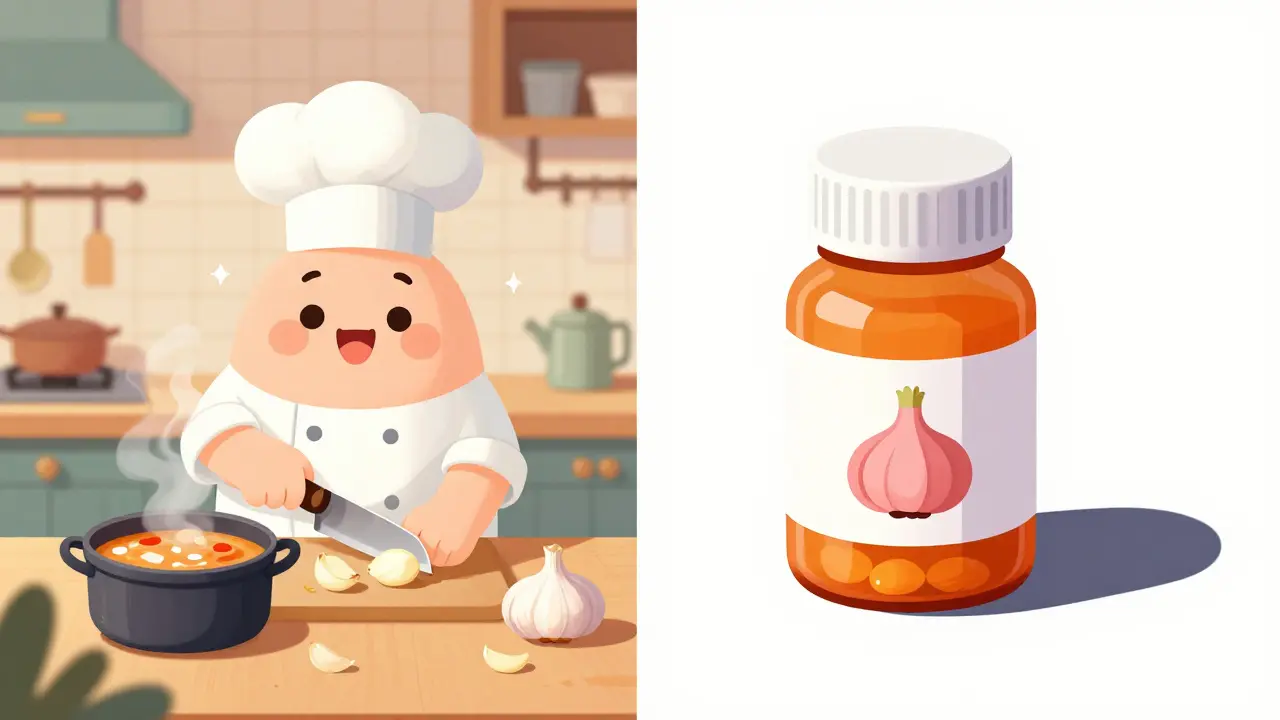
You probably know garlic as a kitchen staple that adds great flavor to a dish. But when you move from the frying pan to a concentrated pill, the rules change completely. If you are taking medication to thin your blood, adding a high-dose garlic supplement to your routine isn't just a health choice-it could be a dangerous one. The risk isn't just a few extra bruises; in surgical settings, it can lead to uncontrolled bleeding that forces surgeons to change a simple laparoscopic procedure into a major open surgery.
The core of the problem is a compound called ajoene. While your body handles a few cloves of garlic in dinner just fine, concentrated supplements deliver ajoene in doses that irreversibly block your platelets from sticking together. When you combine this with anticoagulants-drugs designed to prevent clots-you create a "double thinning" effect. Your blood loses its ability to clot, which is exactly what you want to avoid if you have a cut, a stomach ulcer, or an upcoming surgery.
How Garlic Actually Thins Your Blood
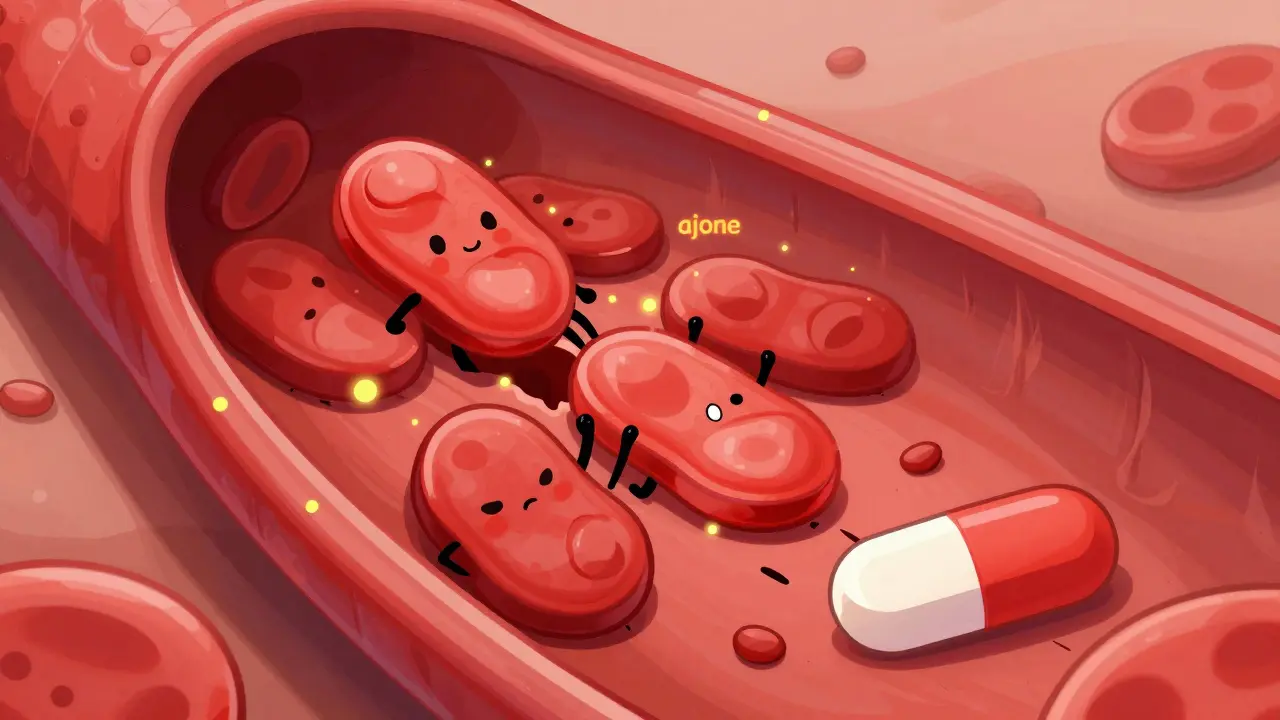
It isn't just a vague "natural" effect. The interaction is chemical and specific. Ajoene works by blocking the glycoprotein IIb/IIIa receptor on platelets. Think of these receptors like the "glue" that allows platelets to clump together to seal a leak in a blood vessel. When ajoene blocks those receptors, the glue doesn't work.
This is particularly risky because the effect is often irreversible for the life of that platelet. This means once the ajoene hits your system, those specific platelets are effectively "out of commission" until your body produces new ones. For people taking Warfarin (often known by the brand name Coumadin), this additive effect can push their clotting time into a danger zone, increasing the risk of internal bleeding or intracranial hemorrhage.
| Feature | Culinary Garlic (Food) | Garlic Supplements (Pills/Oil) |
|---|---|---|
| Typical Dose | 1-2 cloves (3-6g) | 600mg - 1200mg concentrated extract |
| Ajoene Concentration | Low/Variable | High (especially in oil macerates) |
| Bleeding Risk | Generally low for most patients | Significantly increased when paired with thinners |
| Surgical Guidance | Usually no restriction | Stop 7 days before procedure |
The Danger Zone: Surgery and Procedures
The most dramatic evidence of this interaction comes from the operating room. In cases reported by the NIH, patients who took garlic supplements experienced "uncontrolled capillary ooze" during colorectal surgeries. This isn't a slow leak; it's a level of bleeding that can make a minimally invasive surgery impossible, forcing surgeons to perform an open procedure and sometimes leave a patient with a temporary ileostomy because the tissue was too unstable to sew back together.
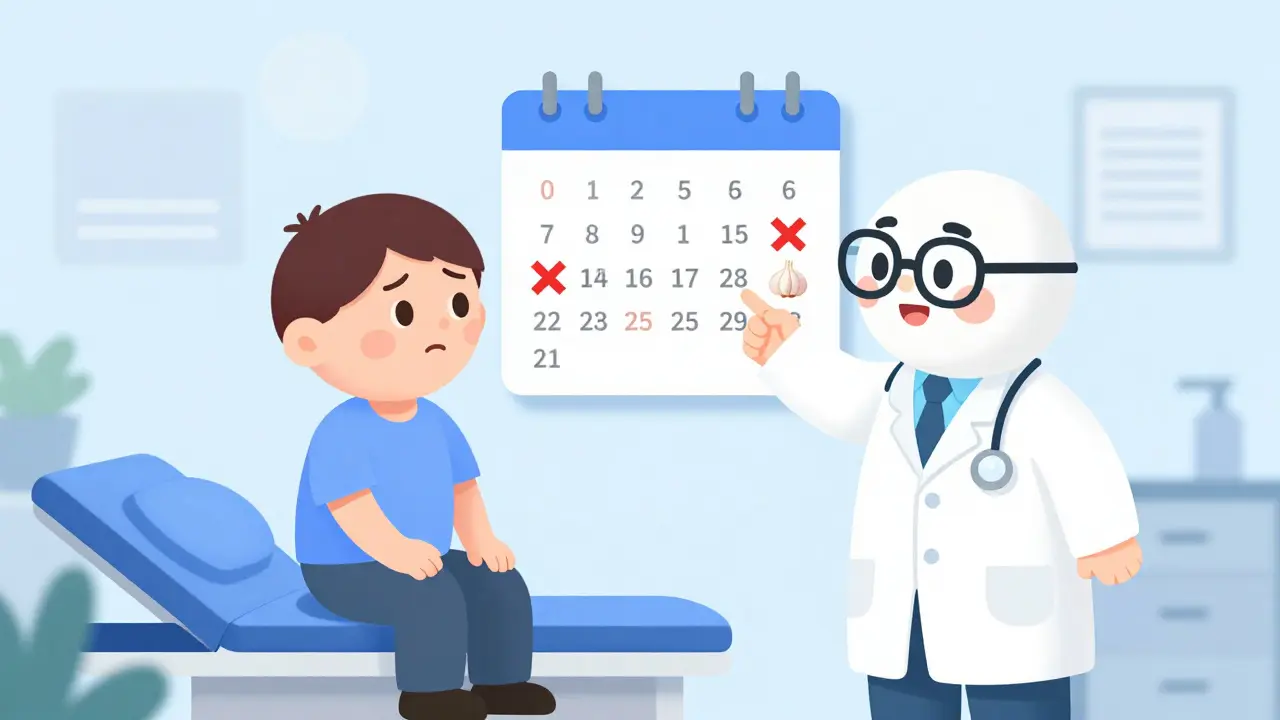
If you have a surgery scheduled, the window for stopping these supplements is critical. Because ajoene's effect on platelets is long-lasting, most anesthesiologists and the American Society of Anesthesiologists recommend stopping garlic supplements at least seven days before your operation. Stopping just three days before isn't enough; data shows that patients who stop only 72 hours prior have significantly higher blood loss and a much higher rate of needing blood transfusions during surgery.
Interactions with Specific Medications
Not all blood thinners react the same way, but the risk remains high across the board. For those on Warfarin, the interaction can be unpredictable. Some patients may require a 10% to 25% dose adjustment of their medication to keep their INR (International Normalized Ratio) levels stable when starting or stopping garlic.
For those using newer DOACs (Direct Oral Anticoagulants) like Apixaban or Rivaroxaban, the risk of bleeding is similar. While there is less historical data than for Warfarin, the antiplatelet effect of garlic still compounds the anticoagulant effect of the drug. This "stacking" of mechanisms-blocking clotting factors with the drug and blocking platelets with the garlic-is what leads to serious complications.
It's also worth noting that garlic isn't just a threat to your blood clotting. Dr. Pieter Cohen from Harvard Medical School has pointed out that garlic supplements can interact with Statins (cholesterol-lowering drugs). This interaction can lead to muscle pain or, in severe cases, life-threatening muscle breakdown that can damage the kidneys.
Warning Signs and Monitoring
How do you know if your garlic supplement is causing a problem? You should look for signs of "easy bleeding." This includes:
- Frequent or unexplained nosebleeds.
- Gums that bleed excessively during brushing.
- Bruising that appears without a clear cause or takes a long time to heal.
- Small red or purple spots on the skin (petechiae).
- Blood in the stool or urine.
If you are on a blood thinner and decide to start a supplement, you shouldn't do it in secret. The University of California San Diego Anticoagulation Management Service suggests that Warfarin patients get their INR monitored within 48 to 72 hours of starting or stopping garlic. This allows your doctor to catch a dangerous spike in thinning before it becomes a medical emergency.
The Bottom Line on "Natural" Health
There is a common misconception that "natural" equals "safe." Garlic is a powerful biological agent. While eating it in a stir-fry is generally safe, taking it as a concentrated supplement is essentially taking a low-dose medication. The variability in supplement quality makes it even riskier; many brands don't even list their ajoene levels, meaning one bottle could be mild while the next is potent enough to cause a hemorrhage.
If you're looking for heart health benefits, stick to the food. There's very little evidence that a garlic pill provides a significant advantage over simply adding fresh garlic to your diet, but there is plenty of evidence that the pills can make your prescribed medications dangerous.
Can I still eat garlic in my food if I take blood thinners?
Yes, for most people, using garlic as a spice in cooking (around 1-2 cloves daily) is considered safe and unlikely to cause a clinically significant interaction with anticoagulants. The danger primarily lies in high-dose, concentrated supplements.
How long before surgery should I stop taking garlic supplements?
You should stop taking garlic supplements at least seven days before any surgical procedure. This timeframe is necessary because the ajoene in garlic inhibits platelets irreversibly, and your body needs a full week to produce enough new, functional platelets to ensure safe clotting during surgery.
Which specific garlic supplements are the most risky?
Oil macerates and concentrated garlic extracts tend to have the highest concentrations of ajoene, making them the most potent anticoagulants. Aged garlic extracts can also significantly prolong bleeding time and increase aPTT levels.
Does garlic interact with cholesterol medication?
Yes. Garlic supplements can increase the effects of statins, which may lead to muscle pain or a rare but serious condition called rhabdomyolysis, where muscle tissue breaks down and can damage the kidneys.
What should I do if I've been taking garlic supplements and have an emergency surgery?
Next Steps for Your Safety
If you are currently taking both a blood thinner and a garlic supplement, don't panic, but do take action. Your first step should be to review your supplement label for the exact dosage-anything over 600mg daily is a high-risk zone. Schedule a quick call with your pharmacist or primary doctor to discuss your current INR or clotting levels. If you have a procedure coming up, mark your calendar for seven days prior to the date and stop all garlic-based extracts then. Being proactive about these interactions is the difference between a smooth recovery and a surgical complication.