
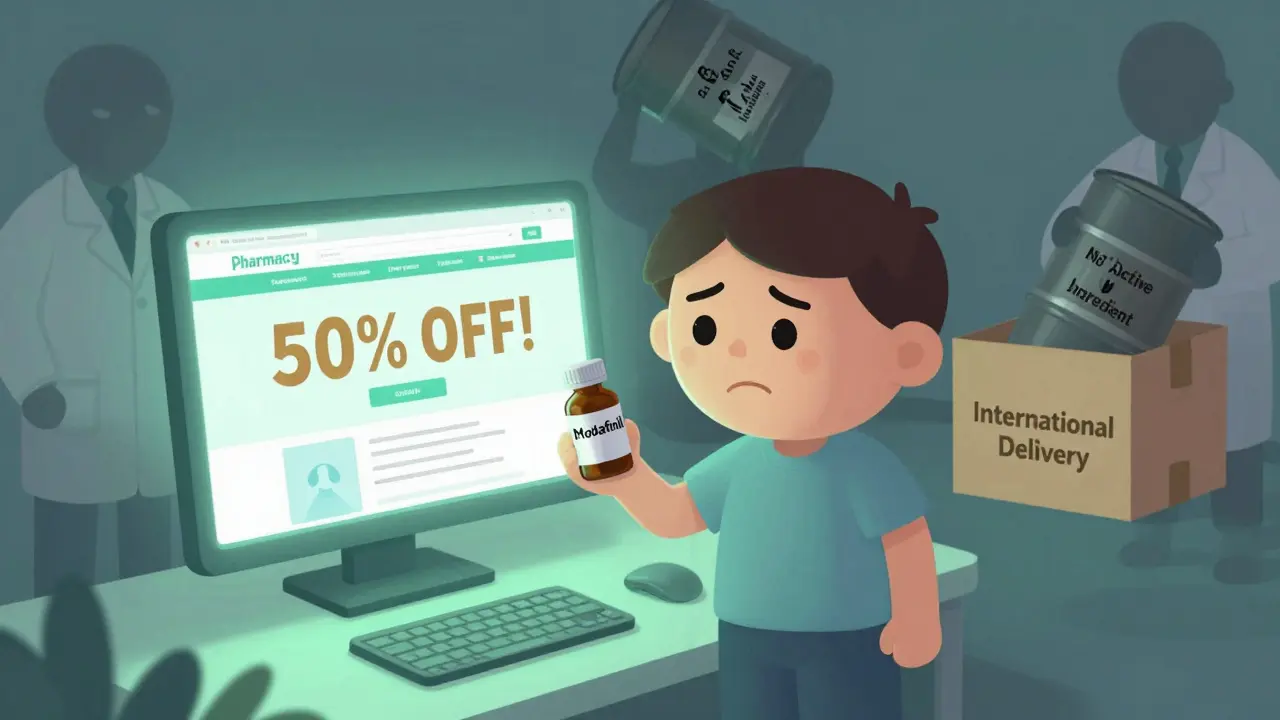
Every year, millions of people around the world order prescription drugs from online pharmacies based in other countries. They do it because the prices are lower, the process feels easier, or they’re told the medication is "just as good" as what they’d get locally. But what they don’t see is the real risk: counterfeit drugs are flooding the global market, and many of them are deadly.
What Exactly Are Counterfeit Drugs?
Counterfeit drugs aren’t just fake brands or poor-quality copies. They’re dangerous imposters. Some contain no active ingredient at all. Others have too much or too little of the real drug. Some are laced with rat poison, battery acid, or industrial chemicals. The World Health Organization says 1 in 10 medicines in low- and middle-income countries don’t meet basic quality standards - and that number is rising in wealthier nations too. The problem isn’t limited to developing countries. In 2025, INTERPOL’s Operation Pangea XVI seized over 50 million doses of fake pills across 90 countries. Australia alone intercepted more than 5.2 million units - mostly psychostimulants like modafinil, erectile dysfunction drugs, and anti-smoking patches. These weren’t just mislabeled. Many had ingredients that didn’t match the label, or none of the promised active compound.Why Ordering from Abroad Is Riskier Than You Think
It’s easy to find a website that looks like a legitimate pharmacy. Professional design, fake certifications, testimonials, even live chat with someone claiming to be a pharmacist. But 97% of the online pharmacies selling drugs internationally don’t have proper licenses. The U.S. National Association of Boards of Pharmacy found that only 3% of online pharmacies meet all 10 safety standards required by regulators. That means if you’re ordering from a site you found through Google or Instagram, odds are you’re buying from a criminal operation. These operations don’t just sell fake pills. They sell unpredictable ones. A 2025 Reddit thread revealed users who ordered erectile dysfunction medication online received pills with sildenafil citrate levels ranging from 28% to 198% of what was listed. That’s not a typo. One person got less than a third of the dose they needed. Another got nearly double - and ended up in the hospital with priapism and vision damage.What’s in Those Pills? The Real Danger
Counterfeit cancer drugs, antibiotics, and heart medications are especially deadly. Why? Because they’re used for conditions where even a small mistake can kill. A counterfeit anti-malarial pill might contain only 14% of the needed active ingredient. That doesn’t just mean the patient doesn’t get better - it means the malaria parasite survives, mutates, and becomes resistant to treatment. The WHO estimates this contributes to over 116,000 deaths a year from malaria alone. Oncology drugs are another major target. Counterfeit versions of drugs like paclitaxel or trastuzumab often contain no active ingredient, or worse - toxic fillers like chalk, paint, or heavy metals. Patients think they’re getting treatment. Instead, they’re watching their cancer spread while being poisoned. Even antibiotics are dangerous when fake. If a pill has too little of the drug, it doesn’t kill all the bacteria. The survivors become superbugs. The Pharmaceutical Security Institute reports that counterfeit antibiotics are a major driver of antimicrobial resistance - a global crisis the WHO calls one of the top 10 public health threats of our time.
How Do You Spot a Fake Pharmacy?
You can’t always tell by looking. But there are clear red flags:- No physical address or phone number listed
- No requirement for a prescription
- Offers "miracle cures" or discounts that sound too good to be true
- Only accepts cryptocurrency or wire transfers
- Claims to be "FDA approved" but isn’t listed on the FDA’s website
What Happens When You Get Caught With Fake Drugs?
Many people assume importing a few pills for personal use is harmless. It’s not. Customs agencies around the world - including Australia’s Border Force - regularly seize these shipments. In 2025, over 9,500 imported medications were flagged in Australia alone. Even if you’re not arrested, your medication will be destroyed. You lose your money. And if you’re taking that drug for a serious condition, you’re left without treatment. That delay can be fatal. There’s also no legal recourse. If you get sick from a fake drug bought online, you can’t sue the seller. They’re usually overseas, anonymous, and untraceable.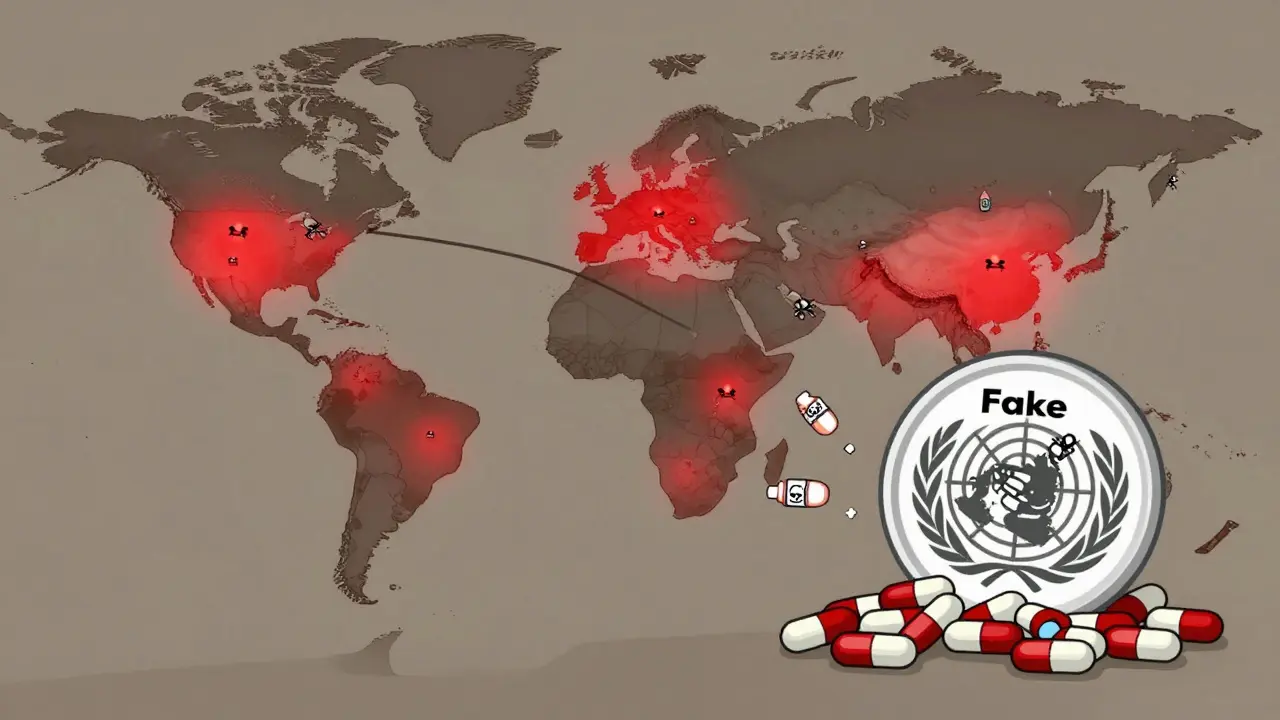
Who’s Behind This? The Criminal Networks
This isn’t a few shady websites. It’s organized crime. The OECD estimates the global trade in counterfeit goods hit $467 billion in 2021 - and pharmaceuticals are one of the fastest-growing segments. Manufacturing often happens in unregulated labs in Southeast Asia. Packaging and distribution use global logistics networks, hiding behind fake shipping labels and encrypted payments. Criminals make up to 9,000% profit on fake drugs - far more than on heroin or cocaine. Pfizer’s Global Security team has prevented over 302 million counterfeit doses since 2004. But every time they shut one down, another pops up. The criminals adapt faster than regulators can keep up.What You Can Do - And What You Shouldn’t
Don’t order from websites you don’t recognize. Don’t trust social media ads. Don’t believe claims like "no prescription needed" or "same as the brand, cheaper." If you need medication from abroad because of cost:- Check if your local pharmacy offers generic versions
- Ask about patient assistance programs
- Use only certified international pharmacies listed by VIPPS or CIPA
- Call your doctor or pharmacist - they know what’s safe
It’s Not Just About Money - It’s About Survival
People order fake drugs because they can’t afford the real ones. That’s the real tragedy. But buying counterfeit medication doesn’t solve the problem - it makes it worse. A 2020 OECD report linked counterfeit medicines to 72,000 to 169,000 child deaths from pneumonia each year. That’s not a statistic. That’s children who didn’t get the right dose of antibiotics because someone sold them a fake. Every fake pill you buy fuels a system that preys on the sick, the desperate, and the unaware. It weakens health systems. It spreads drug-resistant diseases. It kills. The next time you think about ordering a prescription from a website with a .xyz domain and a "50% off" banner, ask yourself: Is saving $20 worth risking your life?How can I tell if an online pharmacy is real?
Look for certification from trusted programs like VIPPS (U.S.) or CIPA (Canada). A real pharmacy will require a valid prescription, list a physical address and phone number, and have a licensed pharmacist available to answer questions. Check their credentials on official regulatory websites - don’t trust what’s on their own site.
Are all drugs from other countries fake?
No. Many countries have strict drug regulations and produce high-quality medications. The problem isn’t the country - it’s the source. Buying from a licensed pharmacy in India, Canada, or the UK is safe. Buying from a website that doesn’t require a prescription or won’t tell you where it’s located? That’s where the risk lies.
What should I do if I already took a drug I suspect is fake?
Stop taking it immediately. Contact your doctor or pharmacist. If you’re experiencing side effects like dizziness, nausea, vision changes, or unusual bleeding, seek medical help right away. Report the pharmacy to your country’s health authority - in Australia, that’s the Therapeutic Goods Administration. Even if you feel fine, the drug could still be harmful long-term.
Why are counterfeit drugs so common online?
Because the profits are huge and the risks for criminals are low. Fake drugs cost pennies to make but sell for hundreds. Most sellers operate overseas, use encrypted payments, and vanish after a few months. Law enforcement can’t track them all. Meanwhile, consumers don’t know how to spot the fakes - and often don’t realize they’ve been scammed until it’s too late.
Can I trust international pharmacies that are listed on Google?
Not necessarily. Google ads and search results are paid placements. A fake pharmacy can pay to appear at the top of search results. Always verify the pharmacy independently through official regulatory databases. Never rely on search engine rankings or flashy website designs.
bhushan telavane
Man, I just saw a guy on Instagram selling modafinil for $5 a pill. No prescription, free shipping, "100% authentic" - yeah right. I clicked the link out of curiosity and the site looked like it was made in 2007 with a free WordPress theme. People really still fall for this?
December 19, 2025 AT 22:38
Alex Curran
Been working in pharma logistics in Sydney for 12 years. Saw a shipment once labeled as "vitamins" that turned out to be counterfeit insulin. 300 vials. No refrigeration. No labeling. Just plastic bags taped shut. That’s not crime - that’s genocide with a shipping label.
December 20, 2025 AT 13:00
Alisa Silvia Bila
My uncle took fake antibiotics for his pneumonia. He didn’t die, but he spent three weeks in the hospital. Now he won’t touch anything online. Not even for his blood pressure meds.
December 21, 2025 AT 23:23
Dikshita Mehta
India produces 20% of the world’s generic drugs. Most of it is safe, regulated, and life-saving. But when you buy from a shady website claiming to be "based in India," you’re not getting the real stuff. You’re getting what the criminals smuggle out of unlicensed labs. The country isn’t the problem - the middlemen are.
December 22, 2025 AT 13:38
Aadil Munshi
It’s funny how people scream about Big Pharma prices but don’t blink when they order from some .xyz site with a PayPal link and a stock photo of a smiling doctor. You want affordable meds? Fight for universal healthcare. Don’t gamble with your life because you’re too lazy to call your doctor.
December 22, 2025 AT 22:31
Dominic Suyo
Let’s be real - this whole thing is a capitalist dumpster fire. People are dying because insurance won’t cover a $300 pill, so they turn to a Russian bot selling "Viagra" that’s just crushed chalk and battery acid. The system designed the tragedy. Now we’re supposed to feel bad for the victims? Nah. The system needs to burn.
December 23, 2025 AT 14:36
Vicki Belcher
I’m so glad this post exists 💔 I’ve had friends lose loved ones to fake cancer drugs. It’s not just about money - it’s about trust. The system failed them. And now they’re trying to fix it alone. Please, if you’re reading this and thinking about ordering online - stop. Talk to someone. Call your pharmacist. They’ll help. You’re not alone.
December 24, 2025 AT 07:43
benchidelle rivera
There’s a reason the FDA and TGA don’t approve these sites. It’s not bureaucracy - it’s survival. If you think you’re saving money, you’re wrong. You’re paying with your organs, your future, your family’s peace of mind. This isn’t a debate. It’s a public health emergency. And if you’re still shopping on Instagram for pills - you’re part of the problem.
December 24, 2025 AT 08:25
James Stearns
How is it that a nation that can land rovers on Mars cannot regulate a $50 pill? The incompetence is staggering. I pay $800 for my insulin. I am not a monster for wanting to live. But I am a monster if I risk my life on a website that doesn’t even have an SSL certificate. The moral bankruptcy of this system is beyond comprehension.
December 24, 2025 AT 11:59
Danielle Stewart
My mom’s on a $1,200/month drug. We used to order from Canada - legit CIPA pharmacy, verified, licensed pharmacist on call. Took us 6 months to find one. Worth every minute. If you’re tempted to click a Google ad - take the 6 months. Your life isn’t a discount code.
December 26, 2025 AT 02:30
Chris porto
We treat medicine like a commodity. But it’s not. It’s the difference between breathing and not breathing. Between seeing your kid graduate and not. The fact that we’ve normalized this kind of risk - that people have to gamble with their lives to afford treatment - says more about our society than any statistic ever could.
December 26, 2025 AT 18:07
Frank Drewery
My sister got a fake heart med. She didn’t know until her EKG went haywire. She’s fine now. But she doesn’t trust doctors anymore. She thinks they’re just in it for the money. That’s the real damage. Not the pills. The loss of faith.
December 28, 2025 AT 14:48
William Liu
Just don’t. Seriously. Even if it’s just one pill. It’s not worth it.
December 29, 2025 AT 07:46