
Drug-Drug Interactions: What You Need to Know to Stay Safe
When you take more than one medication, your body doesn’t always treat them like separate guests—it sees them as roommates who might fight over space, food, or attention. This is what we call drug-drug interactions, when two or more medications affect each other’s absorption, effectiveness, or safety in the body. Also known as medication interactions, they can turn a harmless pill into a risk if not timed or chosen correctly. These aren’t rare glitches—they happen every day, often without anyone noticing until something goes wrong.
Take antibiotics, drugs used to treat bacterial infections like UTIs or sinusitis and antacids, common over-the-counter remedies for heartburn and indigestion. If you take Tums or Rolaids right before or after ciprofloxacin or doxycycline, the antacid can bind to the antibiotic and stop it from working—sometimes cutting its effectiveness by up to 90%. That’s not a small mistake; it’s a treatment failure. The same thing happens with levothyroxine, the standard treatment for hypothyroidism and iron supplements. Iron blocks thyroid hormone absorption, so taking them together means your thyroid meds won’t do their job. Timing matters—space them apart by at least four hours.
Then there’s the quiet danger of statins, cholesterol-lowering drugs like atorvastatin and simvastatin mixed with certain HIV medications, antiretroviral therapies that control the virus but also slow down how the liver breaks down other drugs. Together, they can build up in your muscles and cause a rare but life-threatening condition called rhabdomyolysis. It’s not guesswork—it’s science. Doctors know which statins are safer with which HIV drugs, and which doses to avoid. You just need to ask.
These aren’t theoretical risks. Real people get hurt because they didn’t know their morning pill could cancel out their afternoon one. A woman taking levothyroxine with her daily iron pill for anemia might feel tired all the time—not because her thyroid isn’t working, but because the meds are fighting each other. A man on statins and an HIV regimen might wake up with muscle pain and dark urine, not realizing it’s a drug interaction, not a workout gone wrong. These stories happen because the system doesn’t always connect the dots for patients. You have to be the one who asks: "Could this pill interfere with that one?"
What you’ll find below isn’t just a list of articles—it’s a practical toolkit. You’ll see how to time antacids with antibiotics, which statins are safe with HIV drugs, why iron and thyroid meds need space, and how feeding tubes can become dangerous if flushing protocols are skipped. These aren’t abstract guidelines. They’re the kind of details nurses, pharmacists, and caregivers rely on every day to keep people safe. Whether you’re managing your own meds, helping a parent, or just trying to avoid a bad reaction, this collection gives you the facts you need—no jargon, no fluff, just what works.
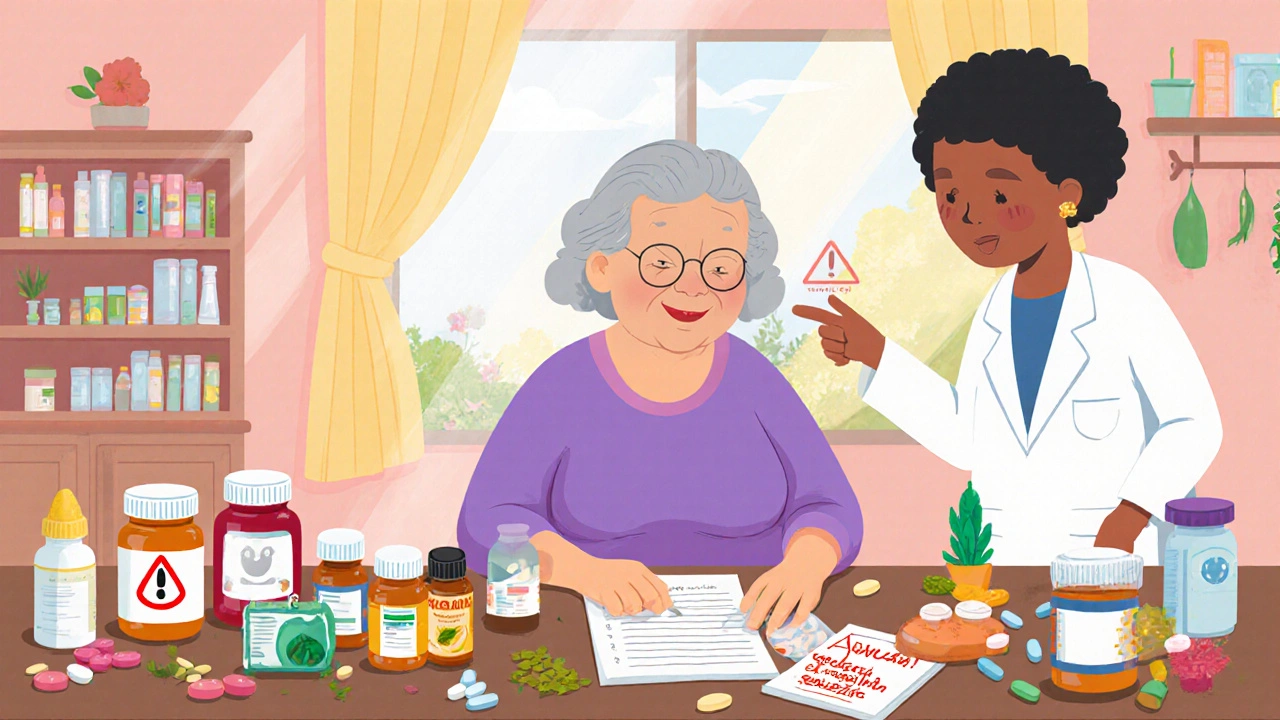
How to Prevent Drug-Drug Interactions in Elderly Patients
Drug-drug interactions are a leading cause of hospitalizations in seniors. Learn how to prevent them using proven tools like the Beers Criteria, STOPP, and NO TEARS framework - and what you can do today to keep elderly loved ones safe.