
Graves' Disease: Causes, Symptoms, and Medication Management
When your immune system mistakenly attacks your thyroid, you might be dealing with Graves' disease, an autoimmune disorder that causes the thyroid to produce too much hormone. Also known as toxic diffuse goiter, it’s the leading reason people develop hyperthyroidism—a condition where your body’s metabolism goes into overdrive. This isn’t just about feeling jittery or losing weight without trying. Graves’ disease can mess with your heart, sleep, mood, and even your eyes.
People with Graves’ disease often notice their heart racing, hands shaking, or feeling unusually hot even when others are cold. Some lose weight despite eating more. Fatigue is common, but so is restlessness. A visible swelling in the neck—called a goiter—is a telltale sign. And in about 30% of cases, the condition triggers thyroid eye disease, inflammation and swelling behind the eyes that can cause bulging, redness, or double vision. It’s not just cosmetic; severe cases can threaten vision. Women are five to ten times more likely to get it than men, and it often shows up between ages 30 and 50. Smoking doesn’t just hurt your lungs—it doubles your risk of eye complications.
Medications are the first line of defense. thyroid medication, like methimazole or propylthiouracil, work by slowing down how much hormone your thyroid makes. These aren’t cures, but they bring symptoms under control for most people. Some patients eventually need radioactive iodine to shrink the gland, or surgery to remove part or all of it. But even after treatment, thyroid levels need checking for life. Blood tests for TSH, T3, and T4 are routine. And if you’re on these drugs, you’ll want to know how they interact with other meds—like iron supplements or antacids—that can block absorption.
There’s no magic diet or supplement that fixes Graves’ disease. But stress, sleep, and quitting smoking can make a real difference in how you feel. And if you’re pregnant, managing it gets even more delicate—some drugs are safer than others during pregnancy. The posts below cover everything from how these drugs work, what side effects to watch for, and how they connect to other health issues like heart rhythm problems or bone loss. You’ll find real advice on timing pills, avoiding interactions, and understanding what your doctor’s really trying to fix. This isn’t just theory. It’s what people actually need to know to live well with this condition.
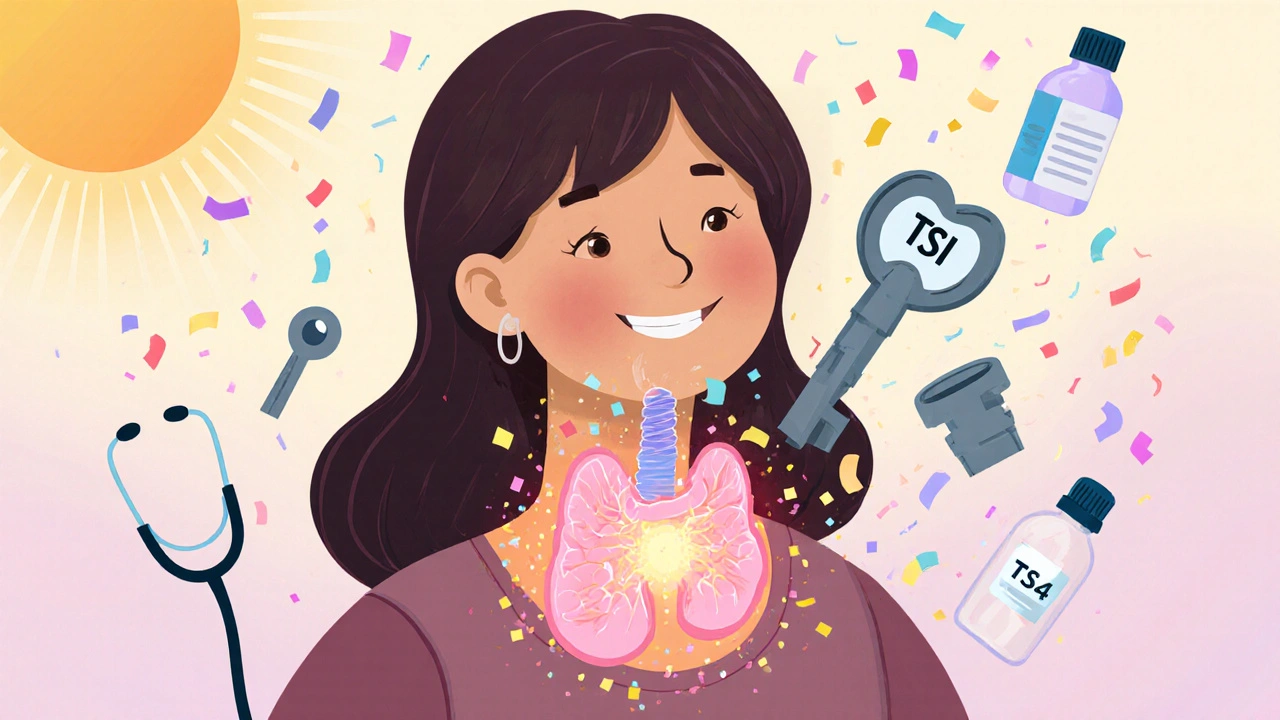
Graves’ Disease: Causes, Symptoms, and Proven Treatment Options for Autoimmune Hyperthyroidism
Graves’ disease is an autoimmune disorder causing hyperthyroidism, with symptoms like weight loss, rapid heartbeat, and bulging eyes. Learn about diagnosis, treatment options including medication, radioactive iodine, and surgery, and what to expect long-term.