
Medication Adherence: Why Taking Pills as Prescribed Matters More Than You Think
When doctors prescribe a medication, they expect you to take it exactly as directed—but too often, that doesn’t happen. Medication adherence, the practice of taking drugs exactly as prescribed, including the right dose, at the right time, for the full duration. Also known as drug compliance, it’s one of the most overlooked factors in treatment success. It’s not about being lazy or forgetful—it’s about complex systems failing people. Half of all chronic disease patients don’t take their meds properly. That’s not a small number. That’s millions of people risking hospital stays, complications, or even death because a pill got missed.
Why does this happen? Sometimes it’s cost—generic copays might be low, but the out-of-pocket maximum still hurts when you’re juggling five prescriptions. Other times, it’s confusion. You take a pill for blood pressure, another for diabetes, and a third for acid reflux, but no one explains how they interact or when to take them. Drug-drug interactions, when two or more medications interfere with each other’s effectiveness or safety, are a major reason people stop taking pills. St. John’s Wort might seem harmless, but it can tank the effect of birth control or antidepressants. Antacids can block antibiotics. Iron can bind to thyroid meds. These aren’t edge cases—they’re everyday problems.
And it’s not just about pills. Enteral feeding, delivering medication through tubes for patients who can’t swallow requires its own strict rules—flushing, timing, compatibility. Get it wrong, and the drug never reaches the bloodstream. For pregnant women, even OTC pain relievers carry risks. For seniors on multiple drugs, the Beers Criteria and STOPP guidelines exist because polypharmacy kills. Generic drug quality, how FDA-approved generics match brand-name drugs in strength, purity, and performance is another layer—people think generics are weaker, so they skip them. But the science says otherwise. The real issue isn’t the drug. It’s the gap between what’s known and what’s understood.
Medication adherence isn’t just a personal habit. It’s a system failure. It’s about how we communicate, how we price drugs, how we design pill schedules, and how we treat patients as partners—not just recipients. The posts below dig into the real reasons people miss doses: from how alcohol ruins sleep and makes you forget pills, to how timing iron and levothyroxine can make or break your thyroid treatment. You’ll see how antibiotics lose power if taken with antacids, how birth control fails with herbal supplements, and why even one missed dose of HIV meds can lead to resistance. These aren’t hypotheticals. They’re lived experiences. And they’re fixable—with the right info, the right support, and the right timing. What follows is a collection of real, practical fixes—no fluff, no theory, just what works.
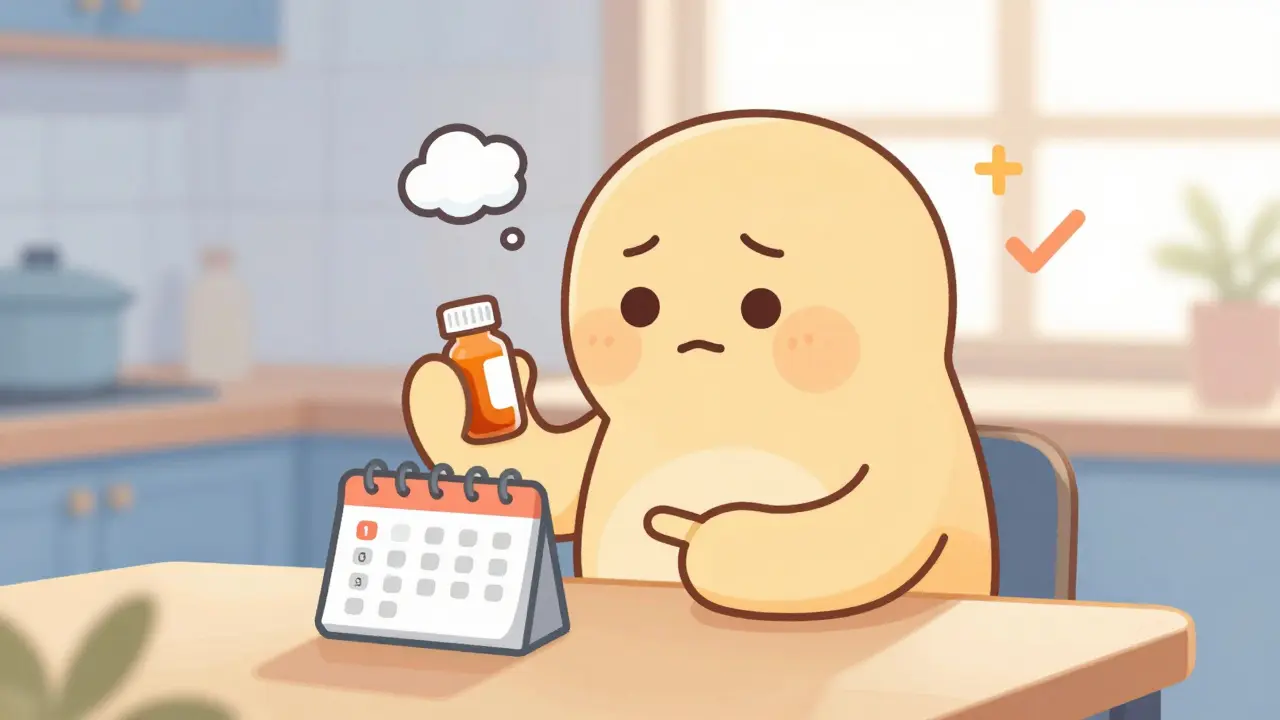
How to Manage Mild Side Effects Without Stopping a Medication | Practical Guide
Discover practical strategies to handle common mild side effects like nausea or fatigue so you can stay on your medication. Learn when to wait, adjust, and when to call your doctor.
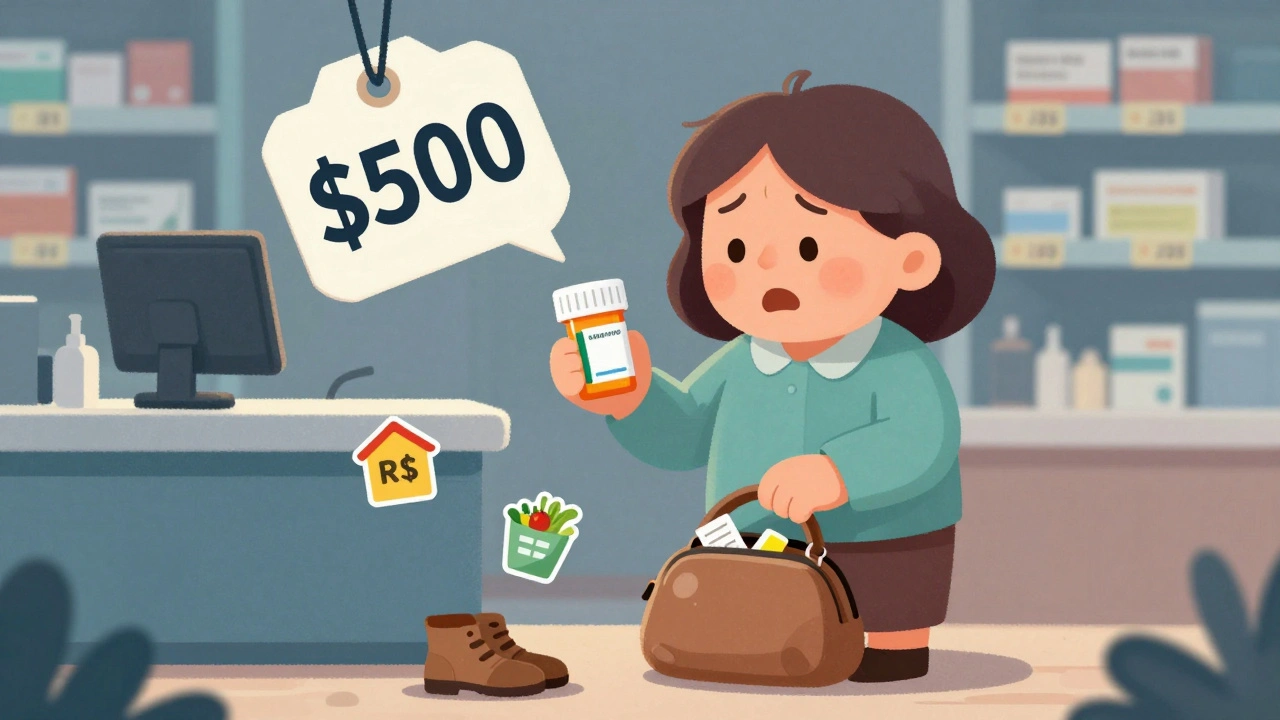
Cost Barriers to Medication Adherence and How to Get Help
Cost is the top reason Americans skip medications, leading to thousands of preventable deaths. Learn how to cut prescription costs with free programs, apps, and policy changes - and what’s changing in 2025 to help.