
Generic Medication: What It Is, Why It Works, and How to Save Money
When you hear generic medication, a version of a brand-name drug that contains the same active ingredient, dosage, and intended use. Also known as generic drugs, it is the backbone of affordable healthcare in the U.S.—over 90% of prescriptions filled are generics, and they cost up to 80% less than brand names. Many people still worry they’re getting something weaker, but that’s not true. The FDA requires every generic to meet the same strict standards as the original: same active ingredient, same strength, same way it’s taken, and same performance in the body. They don’t need to look the same or have the same inactive ingredients—but they must deliver the same results.
Behind every generic drug is a process called bioequivalence testing, a scientific process that proves the generic releases the medicine into your bloodstream at the same rate and amount as the brand. This isn’t guesswork. It’s lab-tested, reviewed, and verified. Companies can’t just slap a new label on a pill and call it generic. They must prove it works just like the original. And once a patent expires, multiple companies can make it, which drives prices down even further. That’s why your $150 brand-name pill might drop to $4 as a generic. You’re not paying for marketing, fancy packaging, or patent lawyers—you’re paying for the medicine itself.
But it’s not all simple. Some medications need extra care. If you’re on thyroid medication, like levothyroxine, even tiny differences in fillers can affect absorption. That’s why some people stick with one brand or generic maker. Same goes for blood thinners, like warfarin—small changes in how the drug is absorbed can matter. But for most people, switching to generic is safe, effective, and smart. The FDA tracks adverse events closely, and there’s no evidence generics cause more side effects than brand names.
What you should care about isn’t whether it’s generic—it’s whether it works for you. And for most conditions—high blood pressure, cholesterol, diabetes, depression, infections—generics are the standard for a reason. They’re not second-rate. They’re the smart choice. The real question isn’t ‘Is it the same?’ It’s ‘Why pay more when it works just as well?’
Below, you’ll find real stories and facts about how people save money, avoid interactions, understand labeling, and make better choices with generic medication—from how it crosses the placenta during pregnancy to why some seniors switch back and forth between brands and generics. You’ll learn what the FDA actually checks, how other countries manage generics, and how to spot when a generic might not be the best fit. No fluff. Just what you need to know to get the most out of your prescriptions.
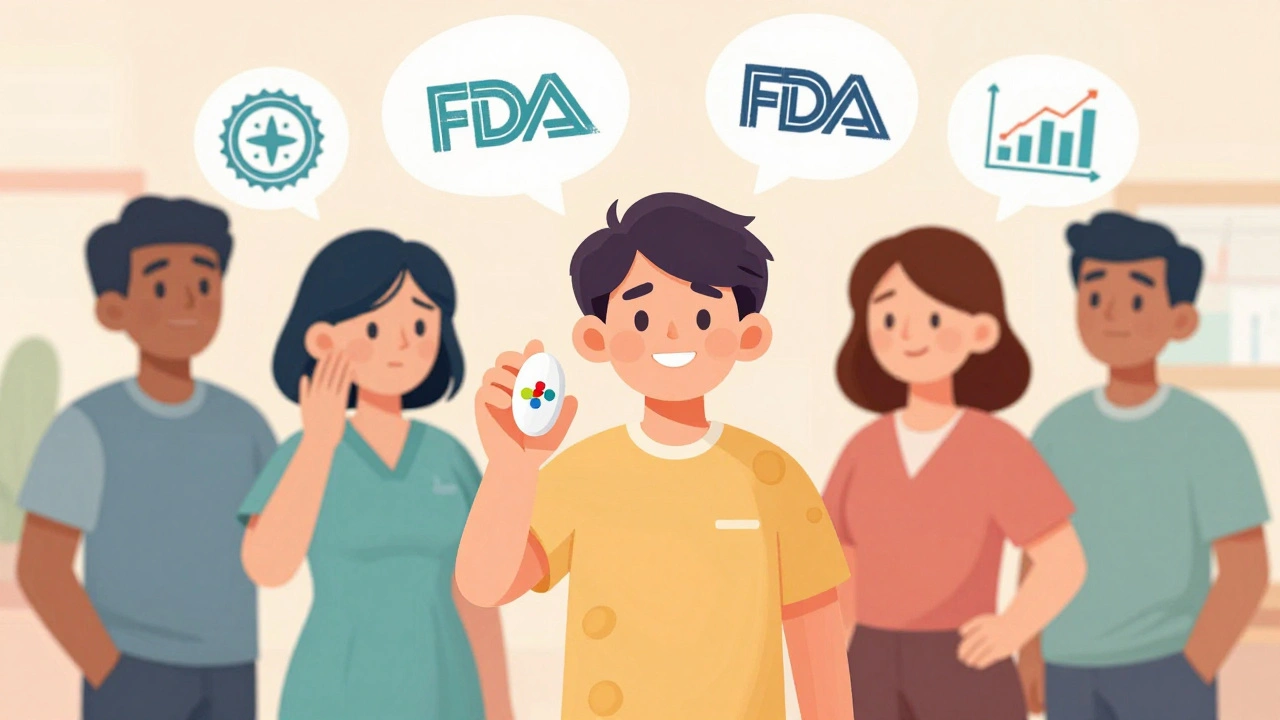
Perception vs Reality: Why Generics Seem Less Effective Than Brand-Name Drugs
Generic drugs are just as effective as brand-name versions, but many people believe they’re weaker. This gap between science and perception affects health outcomes and costs. Here’s why it happens-and how to overcome it.