If you’ve been worrying constantly for months - about work, health, family, even things you can’t control - and it’s starting to mess with your sleep, focus, or energy, you might be dealing with generalized anxiety disorder (GAD). It’s not just stress. It’s a persistent, overwhelming sense of dread that doesn’t go away, even when there’s no obvious reason for it. Around 3.1% of U.S. adults live with GAD each year, and women are twice as likely to be diagnosed. The good news? We know how to treat it. The bad news? There are so many options, it’s hard to know where to start.
What Exactly Is Generalized Anxiety Disorder?
According to the DSM-5, GAD isn’t just being a nervous person. It’s having excessive worry on more days than not for at least six months, and that worry is hard to control. You’re not just anxious about one thing - you’re anxious about everything. And it comes with physical signs: muscle tension, fatigue, trouble sleeping, irritability, or difficulty concentrating. It doesn’t matter if you’re a parent, a student, or someone working full-time - if this sounds familiar, it’s not your imagination. It’s a real, diagnosable condition.
What makes GAD tricky is that people often wait years before seeking help. They think they’re just "overthinkers" or "high-strung." But when anxiety starts stealing your ability to enjoy life, it’s time to look at treatment options. And the three main ones are SSRIs, benzodiazepines, and cognitive behavioral therapy (CBT).
SSRIs: The Slow But Steady Solution
SSRIs - selective serotonin reuptake inhibitors - are the most commonly prescribed medications for GAD. Drugs like escitalopram (Lexapro), sertraline (Zoloft), and paroxetine (Paxil) work by increasing serotonin in your brain. Serotonin helps regulate mood, and low levels are linked to anxiety and depression.
Here’s the catch: SSRIs don’t work right away. You might feel worse before you feel better. Side effects like nausea, dizziness, or sexual dysfunction can show up in the first two weeks. But after 4 to 6 weeks, most people start noticing real changes. In clinical trials, about 50-60% of people with GAD respond well to SSRIs. That’s not perfect, but it’s better than most other meds.
What makes SSRIs stand out is durability. Unlike benzodiazepines, they don’t cause tolerance. You don’t need to keep increasing the dose. And once you stop taking them - after a proper taper - the risk of relapse is lower than with other medications. A 2021 meta-analysis found that people who stopped SSRIs had a 45% chance of their anxiety coming back within a year. That’s high, but it’s still better than what you see with benzodiazepines.
SSRIs also help if you’re dealing with depression along with anxiety - which happens in about 60% of GAD cases. That’s one reason why doctors almost always recommend them first. They’re not magic, but they’re reliable.
Benzodiazepines: Fast Relief, Big Risks
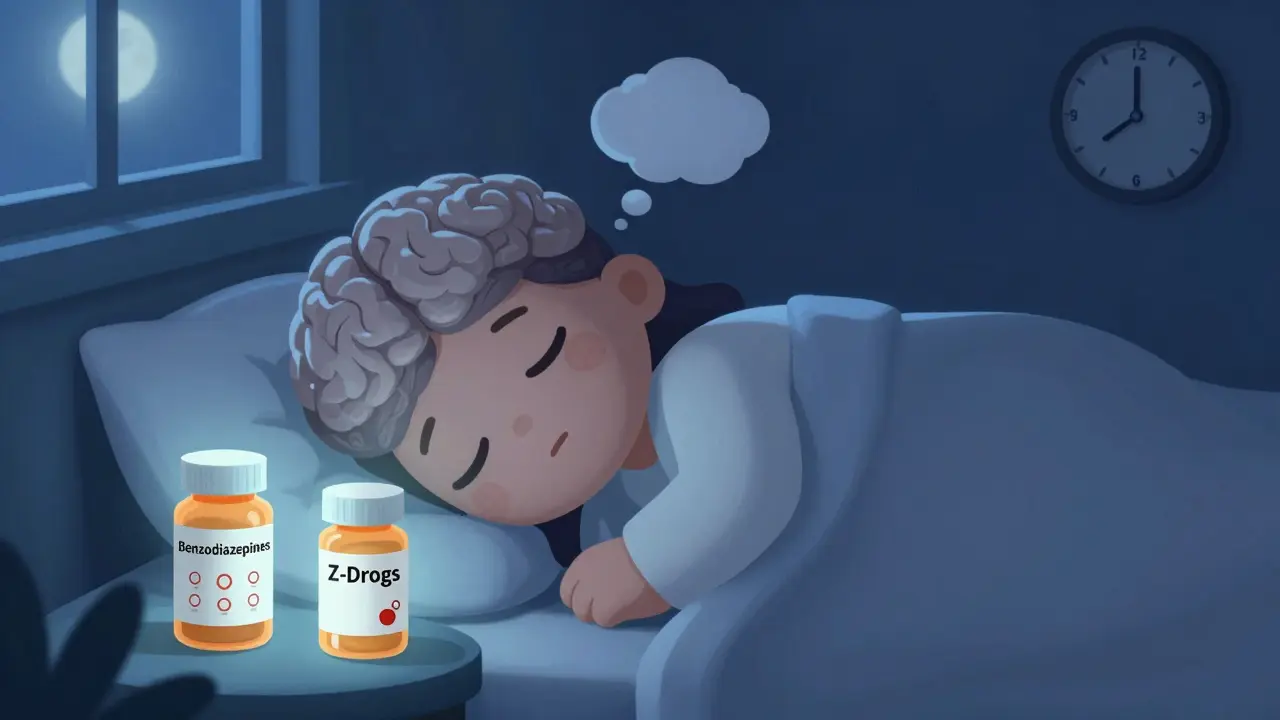
If you’ve ever had a panic attack and felt like you were going to die, you know why benzodiazepines like alprazolam (Xanax), lorazepam (Ativan), or diazepam (Valium) have been so popular. They work fast - sometimes in under an hour. They calm your nervous system by boosting GABA, the brain’s natural chill-out chemical.
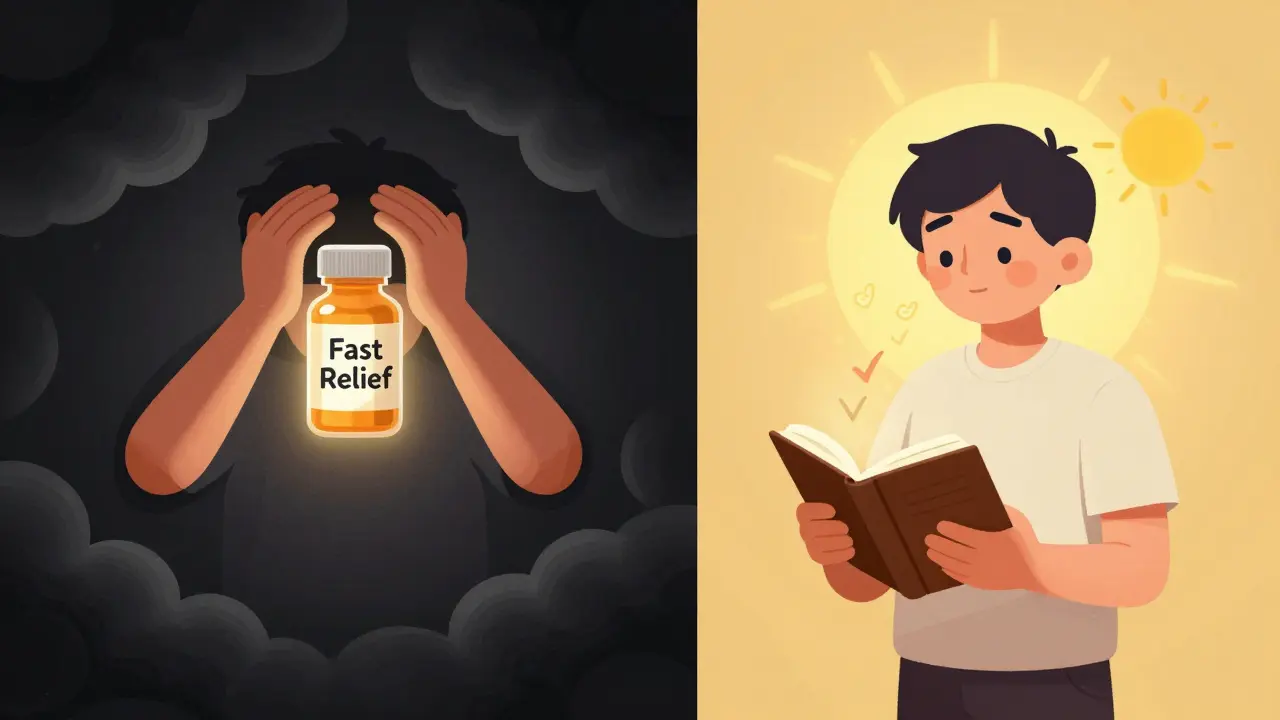
For acute situations - a big presentation, a flight, a crisis - they can be lifesavers. Studies show 70-80% of users feel immediate relief. But here’s what most people don’t tell you: after 3-6 months, your brain starts adapting. You need more to get the same effect. That’s tolerance. And then comes dependence. Withdrawal can be brutal - worse than the original anxiety. Symptoms include rebound anxiety, insomnia, tremors, even seizures in extreme cases.
Guidelines from the American Psychiatric Association, NICE, and the VA/DoD all agree: benzodiazepines should not be first-line treatment. They’re not for long-term use. Yet, they’re still overprescribed. In 2023, 40% of patients on benzodiazepines for GAD needed higher doses within six months. And 63% of Reddit users who reported dependence said withdrawal felt worse than their anxiety.
They’re not evil drugs. But they’re dangerous if used carelessly. That’s why doctors now limit prescriptions to 2-4 weeks at a time, with strict follow-ups. The FDA added a boxed warning in 2020 about abuse and addiction. And the market for these drugs has dropped 18% since 2015 as awareness grows.
Cognitive Behavioral Therapy: Rewiring Your Brain
CBT isn’t a pill. It’s a skill. And it’s one of the most effective treatments for GAD - maybe even more than medication in the long run.
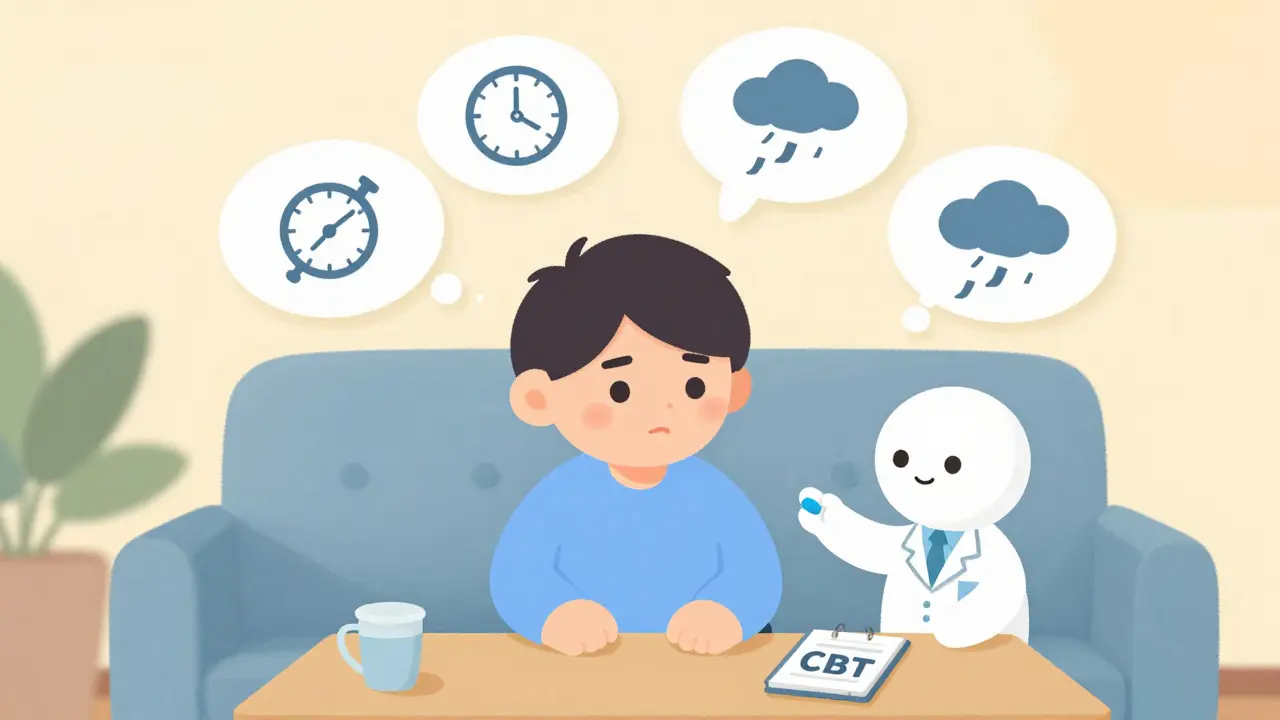
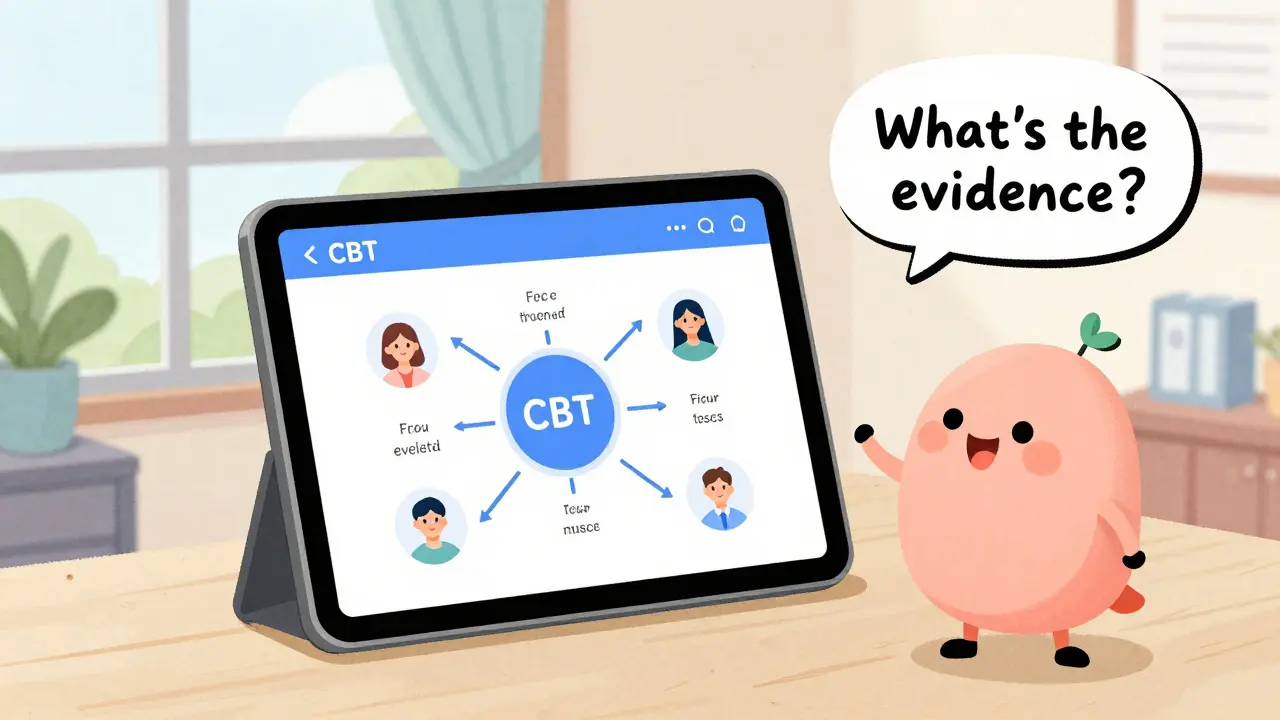
CBT for anxiety works by helping you spot and change the thought patterns that fuel worry. If you think, "If I make a mistake at work, I’ll get fired and end up homeless," CBT teaches you to ask: "What’s the evidence? What’s the worst that could happen? What’s the most likely outcome?" It’s not about thinking positive. It’s about thinking realistic.
Typical CBT for GAD involves 12-20 weekly sessions. You’ll do homework - writing down anxious thoughts, practicing exposure to worries, learning breathing techniques. It’s work. And it’s hard. Many people say the first few sessions are exhausting. But the payoff is huge.
Studies show CBT helps 40-60% of people achieve remission. And here’s the kicker: at the 12-month mark, people who did CBT are far less likely to relapse. Only 25% come back with symptoms. Compare that to 45% for those who only took medication. Why? Because CBT gives you tools. You don’t need a prescription to use them.
Therapists certified in CBT are in short supply - only 0.5 per 10,000 adults with anxiety in the U.S. But digital options are filling the gap. Apps like Woebot and SilverCloud are FDA-cleared and have shown real results. And telehealth has made access easier. Still, cost is a barrier. A session can cost $100-$150, and you need 12-20 of them. Insurance covers some, but not always enough.
Which Treatment Is Right for You?
There’s no one-size-fits-all answer. But here’s how most experts think about it:
- If you’re in crisis - panic attacks, sleepless nights, can’t function - start with an SSRI. Give it 6 weeks. Add CBT if you can.
- If you need fast relief for a short-term event (a big trip, a job interview), a benzodiazepine for a week or two might help. But don’t keep taking it.
- If you want lasting change, CBT is your best bet. It’s harder upfront, but it lasts.
- If you have depression too, SSRIs are the clear winner.
- If you’ve tried one thing and it didn’t work, don’t give up. Combine them. Many people do.
A 2022 JAMA Network Open study found that people who got both an SSRI and CBT had a 65% remission rate - the highest of any approach. That’s the new gold standard.
What’s New in Anxiety Treatment?
The field is changing fast. In 2023, the FDA approved zuranolone (Zurzuvae), a new drug that works like a benzodiazepine but with less risk of dependence. Early trials showed only 5% of users had withdrawal symptoms, compared to 25% with traditional benzos.
Genetic testing is also starting to help. Companies like GeneSight analyze your DNA to predict how you’ll respond to SSRIs. If you’re a slow metabolizer, you might get side effects at normal doses. If you’re a fast metabolizer, you might need more. This isn’t routine yet, but it’s coming.
Digital CBT is growing too. Apps like Headspace and Calm aren’t replacements for therapy, but they’re great for maintenance. They’re not as powerful as a trained therapist, but they’re accessible, affordable, and effective for mild to moderate cases.
Real Talk: What Patients Actually Experience
On Drugs.com, escitalopram has a 7.1/10 rating. Half of users say it helped. But nearly half report side effects - nausea, sexual problems, weight gain. Some quit because of it.
Alprazolam? 7.4/10. More people say it works. But 72% report side effects - drowsiness, memory fog, dizziness. And many say they couldn’t stop.
CBT gets the highest satisfaction ratings from users - 87% say it was "good" or "excellent." But 63% say the exposure exercises were terrifying at first. That’s normal. It’s supposed to be hard.
What most people don’t say out loud: they feel guilty for needing help. They think they should be able to "just relax." But anxiety isn’t a choice. It’s biology. And treating it isn’t weakness - it’s self-care.
Where Do You Go From Here?
Start with your doctor. Don’t self-diagnose. Get a proper evaluation. Ask about SSRIs. Ask about CBT. Ask about the risks of benzodiazepines. Be honest about what you can handle - financially, emotionally, time-wise.
If therapy feels out of reach, try a digital CBT app. If medication scares you, start low. Many doctors begin SSRIs at half the usual dose. Give it time. Track your symptoms. Talk to your therapist. Stay consistent.
There’s no quick fix. But there is a path. And it’s clearer than ever.