
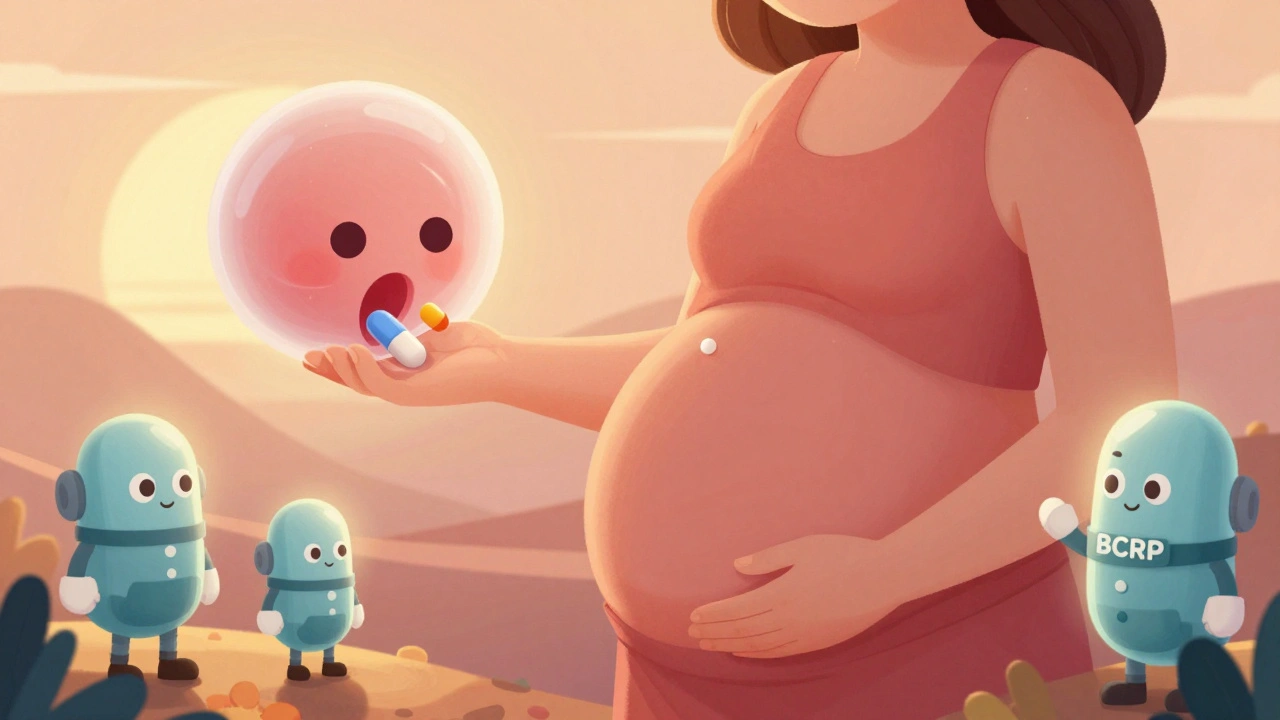
When a pregnant person takes a medication, it doesn’t just stay in their body. That drug can cross the placenta and reach the developing fetus - sometimes in surprising amounts. For decades, doctors assumed the placenta acted like a shield, protecting the baby from harmful substances. But that’s not true. The placenta is more like a smart gatekeeper: it lets some things through, blocks others, and even pushes certain drugs back toward the mother. Understanding how this works isn’t just academic - it’s life-or-death for unborn babies.
The Placenta Isn’t a Wall - It’s a Filter
The placenta weighs about half a kilogram and has a surface area the size of a small apartment floor. It’s packed with blood vessels, transporters, and enzymes that decide what gets through. It’s not a solid barrier. Instead, it’s a dynamic, living system that changes as pregnancy progresses. Early on, it’s more porous. By the third trimester, it tightens up - but not enough to stop everything. Drugs cross the placenta in four main ways: passive diffusion, active transport, endocytosis, and facilitated diffusion. The most common route is passive diffusion. If a drug is small, fat-soluble, and not tightly bound to proteins, it slips through easily. Ethanol, nicotine, and many antidepressants do exactly that. A baby’s blood can reach nearly the same concentration as the mother’s within an hour. But size matters. Molecules heavier than 500 daltons struggle to pass. Insulin, for example, is over 5,800 daltons - and barely crosses. That’s why insulin injections are safe during pregnancy: the baby doesn’t get much of it. On the other hand, small molecules like methadone (165 daltons) cross freely. Studies show fetal methadone levels reach 65-75% of the mother’s, which is why so many newborns develop withdrawal symptoms after birth.Transporters: The Placenta’s Bouncers
The placenta doesn’t just sit back and let drugs drift through. It has built-in pumps - called transporters - that actively kick drugs back into the mother’s bloodstream. Two major ones are P-glycoprotein (P-gp) and breast cancer resistance protein (BCRP). Think of them as security guards at a club: they let in the right people and turn away the risky ones. These pumps are especially good at blocking certain HIV medications. Saquinavir and indinavir, for example, get pushed back so effectively that only 1-3% of the mother’s dose reaches the fetus. That’s why some HIV-positive pregnant people are given zidovudine instead - it uses a different transport system and crosses more easily, giving better protection to the baby. Even more surprising: some drugs can block these pumps. Methadone, buprenorphine, and morphine have been shown to interfere with the placenta’s ability to remove chemotherapy drugs like paclitaxel. In lab tests, when these opioids were present, paclitaxel transfer jumped from 25% to nearly 50%. That’s a big deal - it means pain meds used during pregnancy might accidentally make cancer drugs more dangerous to the fetus.What Happens When Drugs Get Through?
Just because a drug crosses the placenta doesn’t mean it’s harmless. But it does mean the baby is exposed. And babies aren’t tiny adults. Their organs are still forming. Their livers can’t break down drugs. Their brains are wiring themselves. Even small doses can disrupt development. Selective serotonin reuptake inhibitors (SSRIs) like sertraline cross the placenta almost completely. About 30% of babies exposed to these medications in the third trimester show temporary withdrawal symptoms after birth: jitteriness, feeding trouble, rapid breathing. It’s not permanent - but it’s scary for parents and stressful for newborns. Antiseizure drugs are even more concerning. Valproic acid crosses easily and is linked to a 10-11% risk of major birth defects - like spina bifida or heart problems - compared to just 2-3% in the general population. Phenobarbital does the same, with fetal levels matching maternal ones. That’s why doctors now avoid these drugs in early pregnancy whenever possible. Opioids are another major issue. Babies born to mothers using methadone or heroin often go through withdrawal - known as neonatal abstinence syndrome. Up to 80% of these infants need hospital care. Some need morphine just to calm down. It’s a direct result of placental transfer.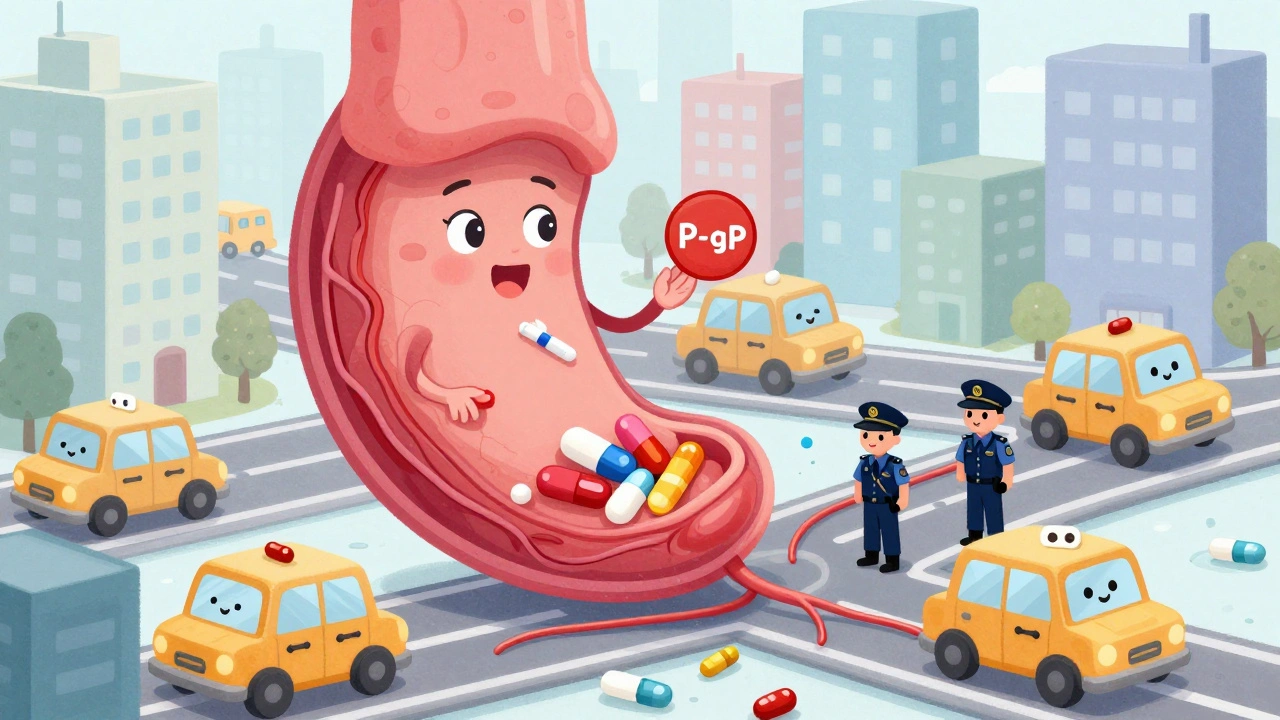
Timing Matters More Than You Think
The stage of pregnancy changes everything. In the first trimester, the placenta is still developing. Its protective pumps aren’t fully active yet. That’s why the most serious birth defects - like limb deformities or heart malformations - happen when drugs are taken early. Thalidomide, the infamous drug from the 1950s, caused thousands of babies to be born with missing or stunted limbs - not because it was toxic to adults, but because it crossed the placenta during the critical window of limb formation. That tragedy changed medicine forever. Today, every new drug must be tested for reproductive toxicity. By the third trimester, the placenta is more selective. But that doesn’t mean safety. Drugs that affect brain development - like alcohol or benzodiazepines - still cross easily. And because the baby’s liver is immature, those drugs hang around longer. A dose that’s safe for mom might be overwhelming for the fetus.What About Protein Binding and pH?
Not all of a drug in the bloodstream is free to cross. Many bind tightly to proteins like albumin. Only the unbound portion can pass through the placenta. Warfarin, for example, is 99% bound - so even though it’s small and fat-soluble, very little gets through. That’s why it’s often used in pregnancy for clotting disorders. Ionization also plays a role. Drugs that are charged at the body’s pH (around 7.4) have trouble crossing. But the placenta has a slightly more acidic environment. That means weak bases - like some antibiotics - can become trapped on the fetal side. This is called ion trapping. It’s why some drugs end up concentrated in the baby, even if they started at lower levels in mom.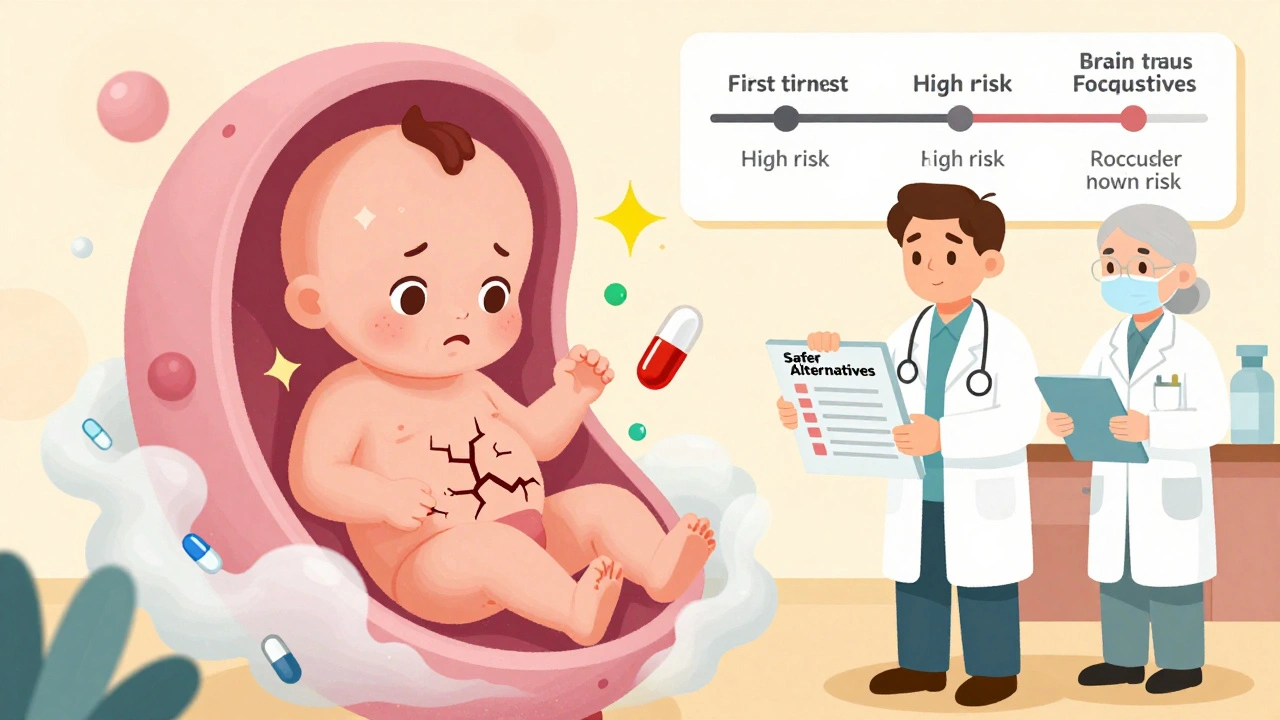
Research Is Changing - But Still Limited
We’re learning more every year. Scientists now use “placenta-on-a-chip” devices - tiny lab models that mimic blood flow and transport activity. One study found glyburide, a diabetes drug, crossed at just 5.6% in these models - matching real human tissue. That’s huge. It means we can test drugs faster and safer without risking pregnancies. The NIH’s Human Placenta Project is using radioactive tracers to watch drug movement in real time. For the first time, we can see exactly where a drug goes inside the placenta - and whether it accumulates in certain areas. That’s critical for new nanotech drugs, which could deliver medicine directly to the fetus… or accidentally poison it. But here’s the problem: most research is done on full-term placentas. The most vulnerable time - weeks 3 to 8 - is almost impossible to study in humans. That’s why we still don’t know the full risks of many common medications taken in early pregnancy.What Should You Do?
If you’re pregnant or planning to be:- Don’t stop prescribed meds without talking to your doctor - sudden withdrawal can be more dangerous than the drug itself.
- Ask: Is this drug necessary? Is there a safer alternative?
- For chronic conditions like epilepsy, depression, or asthma, work with a specialist who understands pregnancy pharmacology.
- Use the lowest effective dose for the shortest time possible.
- Ask about therapeutic drug monitoring - especially for drugs like lithium, digoxin, or antiseizure meds.
The Bigger Picture
Right now, 45% of prescription drugs have no reliable data on how they affect fetuses. That’s not because they’re unsafe - it’s because we haven’t studied them enough. Ethical concerns, legal risks, and lack of funding have left a huge gap in our knowledge. But things are shifting. The FDA now requires placental transfer data for new drug approvals. Companies are investing millions in placental research. And clinicians are finally starting to ask the right questions. The bottom line: the placenta doesn’t protect your baby from everything. It lets in what it thinks is safe - and sometimes, it’s wrong. That’s why every medication, even something as simple as an over-the-counter painkiller, deserves careful thought during pregnancy.Knowledge is power - and when it comes to your baby’s health, understanding how drugs move through the placenta isn’t just helpful. It’s essential.
Do all medications cross the placenta?
No. Not all medications cross the placenta equally. Small, fat-soluble drugs like alcohol, nicotine, and many antidepressants cross easily. Large molecules like insulin or heparin barely pass through. Some drugs are actively pushed back by placental transporters like P-glycoprotein. Whether a drug crosses depends on its size, solubility, charge, and how tightly it binds to proteins.
Is it safe to take antidepressants during pregnancy?
Some antidepressants, like sertraline and citalopram, are considered among the safest options during pregnancy because they cross the placenta but have lower risks of birth defects compared to others. However, about 30% of babies exposed in the third trimester may experience temporary withdrawal symptoms after birth, such as irritability or feeding difficulties. The decision to use them should weigh the risk of untreated depression against potential fetal effects - and always be made with a doctor.
Why are some drugs more dangerous in the first trimester?
The first trimester is when major organs and limbs form. The placenta is still developing and lacks full protective transporters, making it more permeable. Drugs like thalidomide or valproic acid can interfere with this delicate process, leading to structural birth defects. After the first trimester, the risk shifts from physical malformations to functional issues like brain development or growth restriction.
Can painkillers like ibuprofen harm the fetus?
Ibuprofen and other NSAIDs are generally safe in early pregnancy but should be avoided after 20 weeks. They can reduce amniotic fluid levels and affect fetal kidney development. After 30 weeks, they may cause premature closure of a critical blood vessel in the baby’s heart. Acetaminophen is usually preferred for pain relief during pregnancy, but even that should be used at the lowest effective dose.
Are herbal supplements safe during pregnancy?
Many herbal supplements are not tested for safety in pregnancy and can cross the placenta. Some, like black cohosh or dong quai, may stimulate uterine contractions. Others, like St. John’s wort, affect serotonin and can interact with antidepressants. There’s very little reliable data on most herbs, so it’s safest to avoid them unless approved by a healthcare provider who specializes in pregnancy.
What’s the safest way to manage chronic illness during pregnancy?
Work with a team - your OB-GYN, your specialist (like a neurologist or endocrinologist), and a pharmacist experienced in maternal-fetal medicine. The goal is to keep you healthy while minimizing fetal exposure. This often means switching to better-studied drugs, lowering doses, or using non-drug therapies like physical therapy or cognitive behavioral therapy. Never stop medication abruptly - the risk of uncontrolled illness can be greater than the drug itself.
Charles Moore
Really appreciate this breakdown. I’ve been helping a friend navigate SSRIs during her third trimester, and this clarifies why her OB pushed for sertraline over others. The bit about fetal withdrawal being temporary but still intense? That’s the kind of nuance families need to hear before panic sets in.
December 3, 2025 AT 08:38
bobby chandra
Let me blow your mind: the placenta isn’t just a filter-it’s a *negotiator*. It’s got receptors, pumps, and enzymes that literally haggle with drugs like a bouncer at a VIP club. And guess what? It’s got a bias. It lets in the stuff mom’s body already tolerates, and slams the door on the rest. That’s why some meds work like magic in pregnancy and others? Total bust. Science is finally catching up to what midwives have whispered for centuries.
December 4, 2025 AT 08:24
Archie singh
Of course the placenta isn’t a shield-anyone who took high school bio knows it’s a semi-permeable membrane. The real scandal is how little we’ve studied this. We’ve sent rovers to Mars but still don’t know how ibuprofen affects fetal kidneys past 20 weeks? Pathetic. The pharmaceutical industry profits from ignorance. Wake up.
December 5, 2025 AT 17:13
Gene Linetsky
They’re hiding something. Why does every single drug study use full-term placentas? Because if they tested on early-stage tissue, they’d find that 80% of meds cause silent damage before you even know you’re pregnant. That’s why miscarriages are rising. That’s why autism is exploding. They don’t want you to know the placenta is basically a drug sieve for corporate profits. Google ‘placental transfer FDA cover-up’.
December 5, 2025 AT 17:21
Ignacio Pacheco
So let me get this straight-methadone blocks the placenta’s bouncers, making chemo drugs more dangerous to the fetus… but we still give it to pregnant people with opioid use disorder? That’s like giving someone a fire extinguisher that also sprays lighter fluid. Brilliant.
December 6, 2025 AT 08:01
Jim Schultz
Wait-so you’re telling me that a drug like valproic acid, which carries an 11% risk of major birth defects, is still being prescribed to pregnant women with epilepsy? And people wonder why we have a healthcare crisis? This isn’t negligence-it’s systemic malpractice. The fact that we’re still using drugs with known teratogenic profiles without mandatory genetic counseling? Unforgivable.
December 8, 2025 AT 06:36
Kidar Saleh
There’s a quiet revolution happening in maternal pharmacology. In the UK, we’ve started integrating placental transfer data into prescribing guidelines for the first time. It’s not perfect-but it’s a start. We’re finally treating pregnancy not as a medical anomaly, but as a physiological state with its own rules. And that’s something to celebrate.
December 8, 2025 AT 13:37
Chloe Madison
I’ve seen too many moms stop their antidepressants out of fear. Don’t. Talk to your provider. Sertraline’s your friend.
December 9, 2025 AT 17:45