What if the side effects you feel from your medication aren’t caused by the drug at all - but by what you expect to happen? This isn’t science fiction. It’s the nocebo effect, and it’s quietly shaping how millions of people experience their prescriptions.
What Exactly Is the Nocebo Effect?
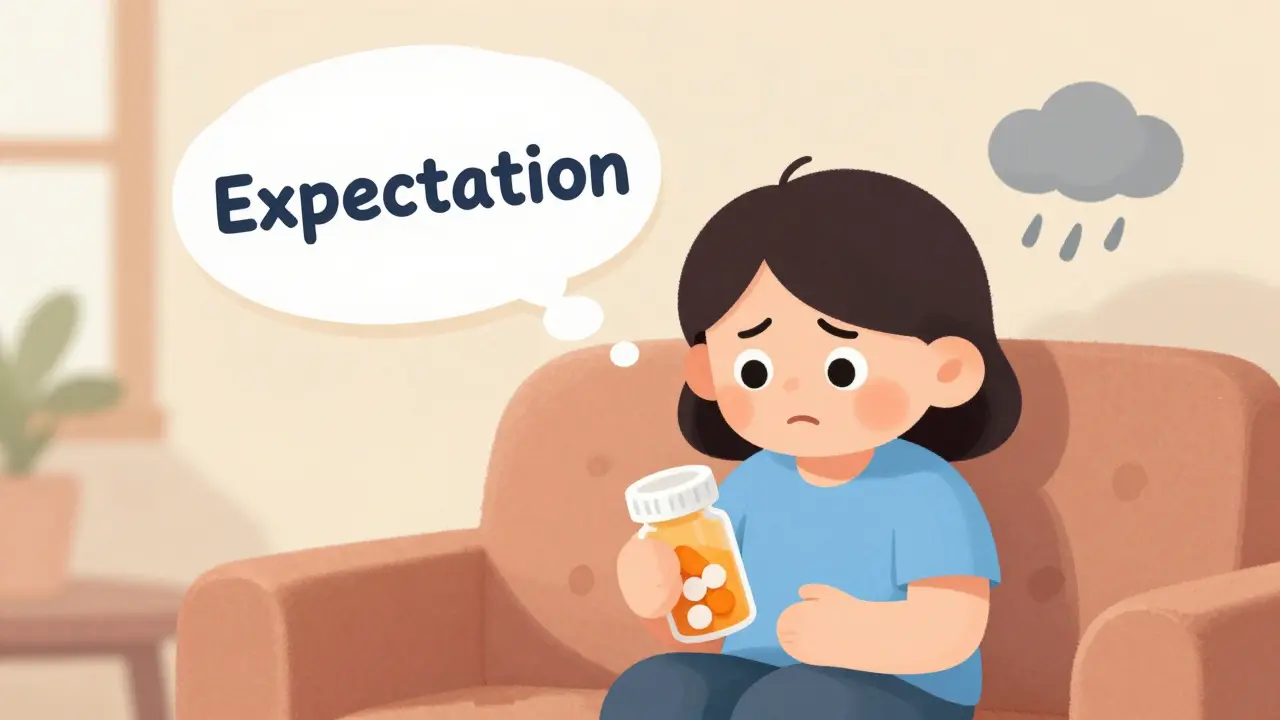
The nocebo effect is the dark twin of the placebo effect. While placebo means "I shall please" and can make you feel better because you believe a treatment will work, nocebo means "I shall harm" - and it can make you feel worse because you believe something will hurt you. It happens when you start feeling symptoms - nausea, dizziness, headaches, fatigue - after being told a medication might cause them, even if you’re taking a sugar pill. The drug doesn’t have to contain anything active. The expectation alone is enough to trigger real, measurable changes in your body. Studies show that about 20% of people taking placebos in clinical trials report side effects. That’s not a glitch. That’s the nocebo effect in action. In one study, nearly 10% of people dropped out of trials because they thought the placebo was making them sick - even though it was just starch and water.How Your Brain Turns Worry Into Physical Pain
Your brain isn’t just imagining these symptoms. It’s activating real biological pathways. Neuroimaging studies show that when people expect pain or side effects, areas like the anterior cingulate cortex and the insula light up - the same regions that fire up when you actually experience pain. Your body starts releasing stress hormones like cortisol. Your nervous system gets more sensitive. You notice every little ache, every normal burp, every bit of tiredness - and your brain labels it as "side effect." One famous experiment tested the opioid remifentanil. When patients were told the drug would reduce pain, they felt significantly less pain. But when they were told it might make them more sensitive to pain after the effect wore off, the drug’s painkilling power vanished completely. The expectation wiped out the medicine’s effect - not because the drug stopped working, but because the mind canceled it out. This isn’t weakness. It’s biology. Your brain is wired to protect you. If you’re told something could be dangerous, your body prepares for harm - even if the danger isn’t real.Why Generic Drugs Feel Different (Even When They’re the Same)
One of the clearest real-world examples of the nocebo effect happened in New Zealand in 2017. The government switched patients from brand-name venlafaxine to a cheaper generic version. The active ingredient was identical. The pills looked different, but chemically? The same. Before the switch, reports of side effects were stable. After the switch - and after media stories warned people about "generic drugs being less effective" - adverse effect reports jumped sharply. People started reporting nausea, dizziness, and mood swings. Many stopped taking the drug. But here’s the kicker: when some patients were switched back to the brand-name version, their symptoms disappeared - even though the generic was chemically identical. The only thing that changed? Their belief. This isn’t rare. Reddit threads are full of stories like this: "I switched to generic sertraline and got terrible insomnia. My pharmacist said it’s probably in my head. But it felt real." And for many, it was real - because their brain made it real.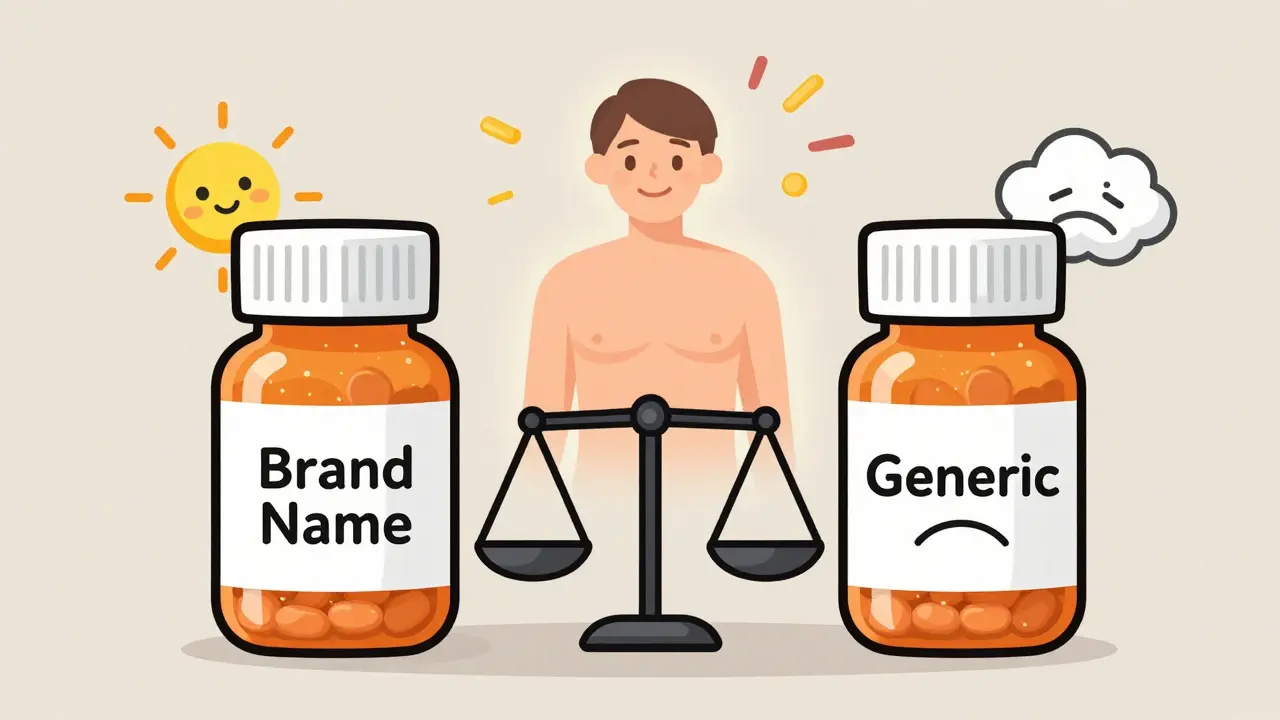
What Makes Some People More Susceptible?
Not everyone falls for the nocebo effect the same way. Some people are more vulnerable. - Women report side effects 23% more often than men in placebo-controlled trials. Why? It’s not that women are "more sensitive." It’s likely tied to how medical information is communicated, and how women are more likely to be warned about side effects upfront. - People with anxiety or depression are 1.7 times more likely to experience nocebo effects. If you’re already scanning for threats, your brain is primed to interpret normal sensations as danger. - People who read medication leaflets cover-to-cover are more likely to report side effects. Studies show a direct link: the more side effects listed, the more people report them - even if they never had those symptoms before. - Older adults and those with low health literacy are also at higher risk. If you don’t fully understand what the drug does, your brain fills in the gaps with fear.How Doctors and Pharmacies Can Reduce the Harm
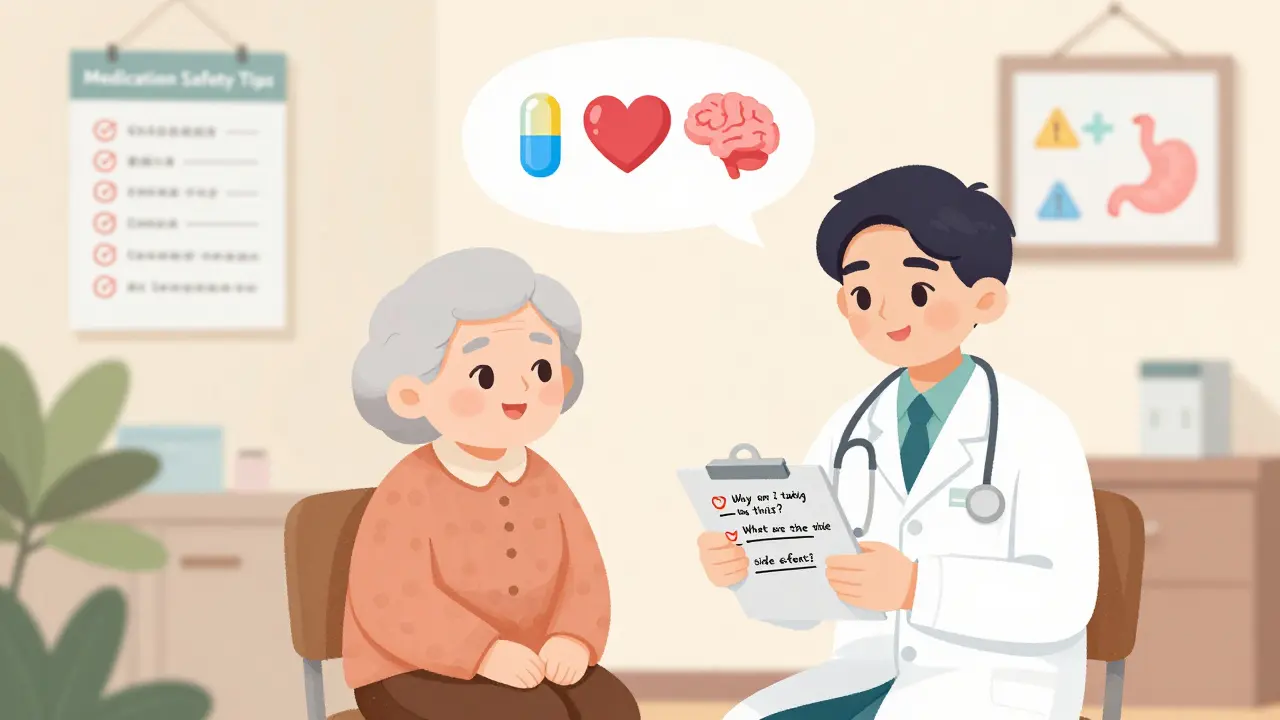
The good news? The nocebo effect isn’t fixed. It can be managed - without lying or hiding information. Here’s what works: - **Reframe the message.** Instead of saying, "Some people get nausea with this drug," say, "Most people take this without any stomach issues. A small number might feel a little queasy at first - it usually passes." - **Focus on control.** Tell patients, "If you notice anything unusual, let us know. We can adjust it." This gives them power, not panic. - **Avoid listing every possible side effect.** Medication leaflets often list dozens of rare or unlikely reactions. That’s not transparency - it’s a nocebo trigger. Health agencies like Medsafe and the European Medicines Agency now recommend balancing risk with context: "This affects fewer than 1 in 100 people." - **Train providers.** In New Zealand, doctors who received just 4-6 hours of communication training saw fewer patients drop out of treatment. They learned to spot when a patient was primed for nocebo - and how to gently reset expectations.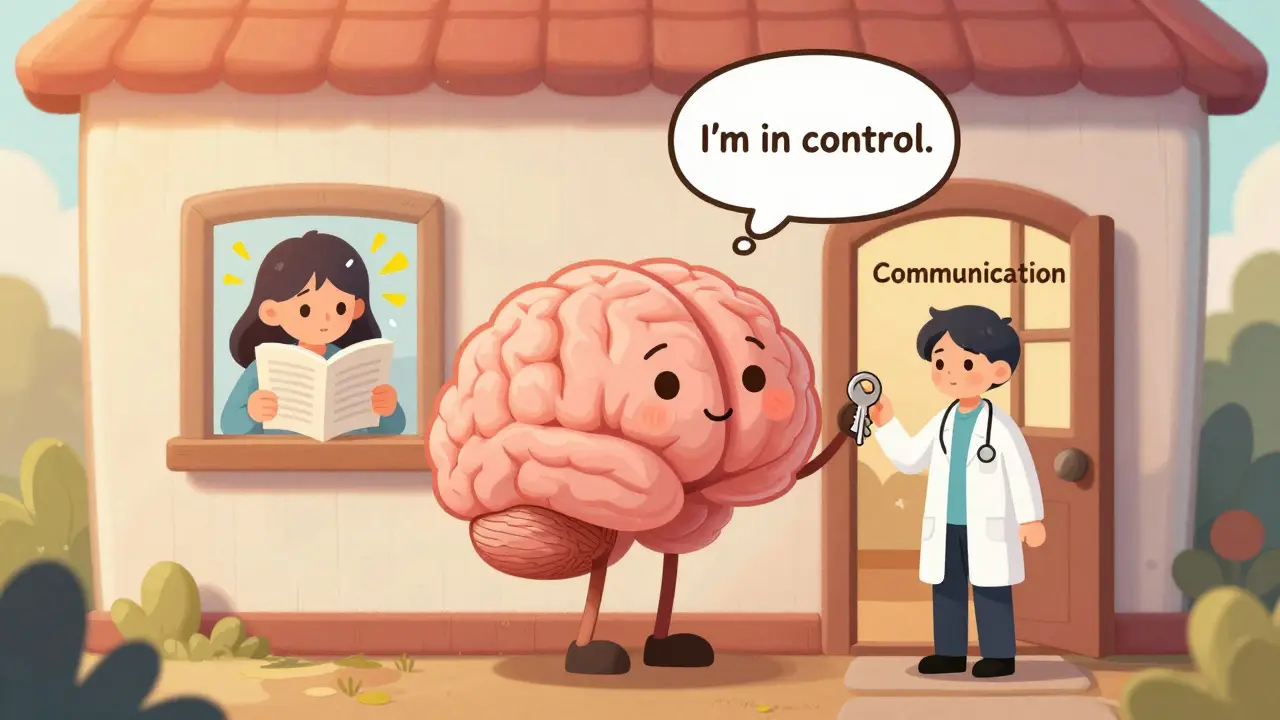
Why This Matters Beyond Your Prescription
The nocebo effect isn’t just a personal issue. It’s a system-wide problem. - 15-20% of patients stop taking effective medications because they think they’re causing side effects - when those side effects may be nocebo-driven. - That leads to more hospital visits, more tests, more expensive drugs being prescribed - all because a patient believed something would hurt them. - The global generic drug market is worth over $200 billion. But if people avoid generics because they think they’re inferior, that’s billions lost - not because the drugs don’t work, but because people think they don’t. Health systems are starting to wake up. The UK’s NHS reduced medication-related adverse event reports by 14% after training staff in nocebo-aware communication. The WHO now lists "reducing nocebo effects" as a key goal in its Medication Without Harm initiative.What You Can Do Right Now
If you’re starting a new medication:- Ask your doctor: "What’s the most common thing people feel when they start this?"
- Don’t read the entire leaflet before taking the pill. Skim for serious risks, but don’t obsess over every possible side effect.
- Notice your thoughts. Are you scanning your body for symptoms? That’s your brain doing its job - but it doesn’t mean the drug is causing it.
- If you feel something new, wait a few days. Is it getting worse? Or is it just your mind playing tricks? Talk to your provider - don’t assume it’s the drug.
- Ask if the side effects started right after the switch - especially if it was to a generic.
- Ask if the symptoms match the ones listed in the leaflet - or if they’re just normal stress or fatigue.
- Consider a re-challenge under supervision. Sometimes, going back to the same drug proves the symptoms weren’t caused by the medicine.
The Bigger Picture: Your Mind Is Part of the Treatment
We’ve been taught to think of medicine as a chemical solution: pill in, effect out. But the truth is more complex. Your brain is part of the treatment. Your expectations shape your biology. Your trust in your doctor, your fear of side effects, your past experiences - they all play a role. The nocebo effect doesn’t mean your symptoms aren’t real. They are. But their origin isn’t always the drug. Sometimes, it’s the story you’ve been told. Understanding this isn’t about dismissing your experience. It’s about reclaiming your power. You don’t have to be a passive recipient of side effects. You can be an active participant in your healing - by choosing what you believe, and how you respond.Can the nocebo effect cause real physical damage?
Yes - but not in the way most people think. The nocebo effect doesn’t cause organ damage or disease. But it can trigger real physiological changes: increased heart rate, higher cortisol levels, amplified pain signals, and heightened sensitivity to normal bodily sensations. These changes can make you feel worse, lead to unnecessary doctor visits, or cause you to stop effective treatment. The harm is real, even if the trigger is psychological.
Is the nocebo effect the same as hypochondria?
No. Hypochondria (now called illness anxiety disorder) is a persistent fear of having a serious illness despite medical reassurance. The nocebo effect is a specific reaction to information about a treatment. You don’t need to be anxious about illness in general - just told that a drug might cause nausea, and suddenly you feel nauseous. It’s triggered by context, not chronic worry.
Why do side effects show up even with placebos in clinical trials?
Because participants are told the drug might cause side effects. Even though they’re taking a sugar pill, their brain expects harm. Studies show that when researchers reduce the emphasis on side effects in trial instructions, the rate of placebo-reported side effects drops by up to 40%. The information itself is the trigger.
Can you train yourself to avoid the nocebo effect?
You can reduce its impact. Mindfulness practices, cognitive behavioral techniques, and learning to observe your thoughts without reacting can help. Instead of thinking, "This headache is from the pill," try, "I feel a headache. Is it new? Is it getting worse? Did I just read about this side effect?" That pause gives your brain space to reset. It doesn’t eliminate the effect - but it gives you control over it.
Are generic drugs less effective because of the nocebo effect?
No. Generics contain the exact same active ingredient as brand-name drugs, at the same strength and dosage. Any difference in how you feel is almost certainly due to expectations - not chemistry. Studies consistently show that when patients don’t know they’ve switched, their outcomes are identical. The brand name, color, or pill shape doesn’t change the drug’s effect - your belief about it does.
Should doctors stop warning patients about side effects?
No. Informed consent is essential. But how you deliver that information matters. Instead of listing every possible side effect, focus on likelihood and context. Say: "This happens in fewer than 1 in 50 people," or "Most people don’t notice this, but if you do, it usually fades in a few days." The goal isn’t to hide risks - it’s to prevent unnecessary fear.