
Archive: 2026/02
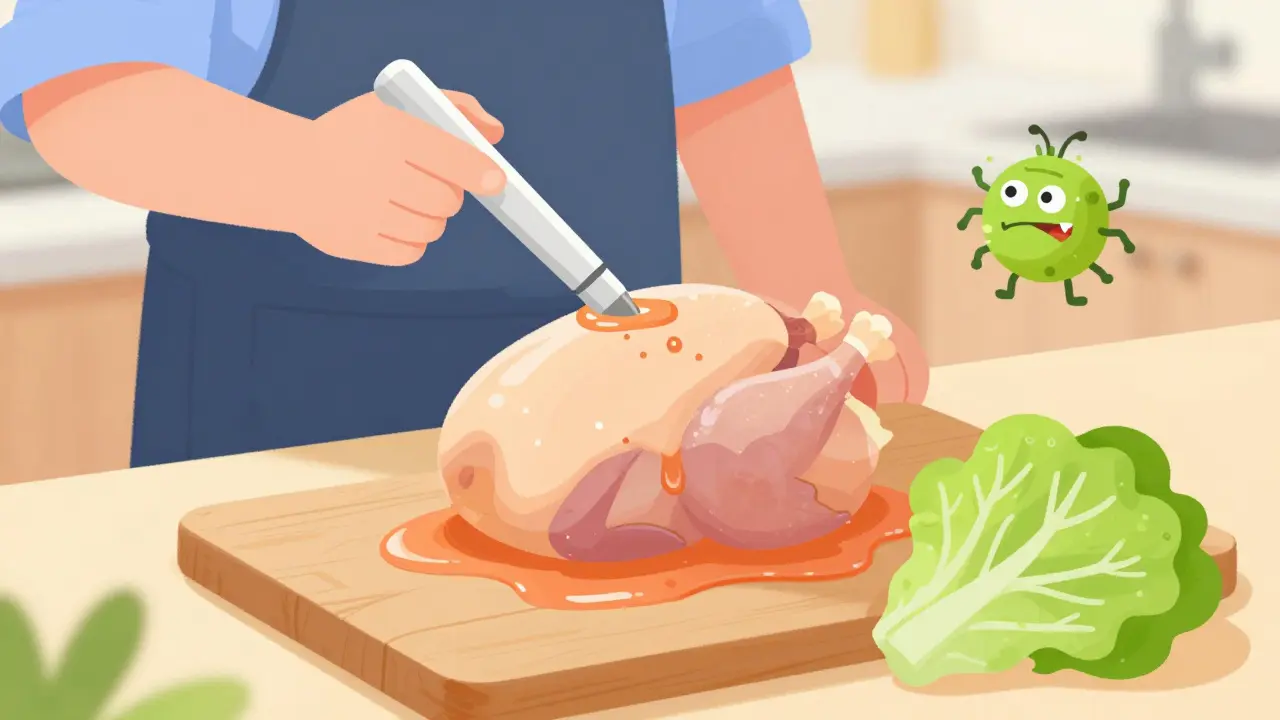
Foodborne Illnesses: Common Pathogens and How to Stay Safe
Foodborne illnesses affect millions each year, caused by common pathogens like Salmonella, Norovirus, and Listeria. Learn how contamination happens, who’s at risk, and simple steps to protect yourself and your family.
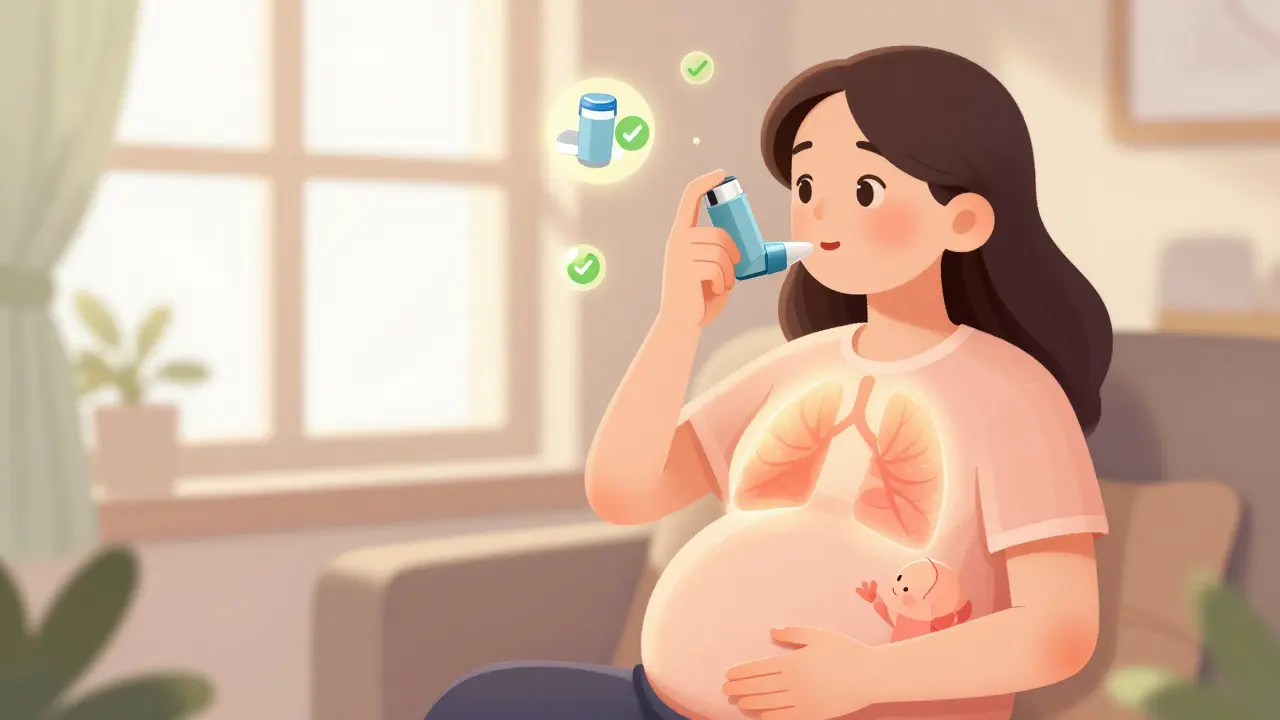
Asthma Medication Safety During Pregnancy and Breastfeeding: What You Need to Know
Asthma medication safety during pregnancy and breastfeeding is often misunderstood. Most inhaled treatments are safe and essential-uncontrolled asthma poses greater risks than the drugs used to manage it. Learn what works, what doesn’t, and how to protect both you and your baby.
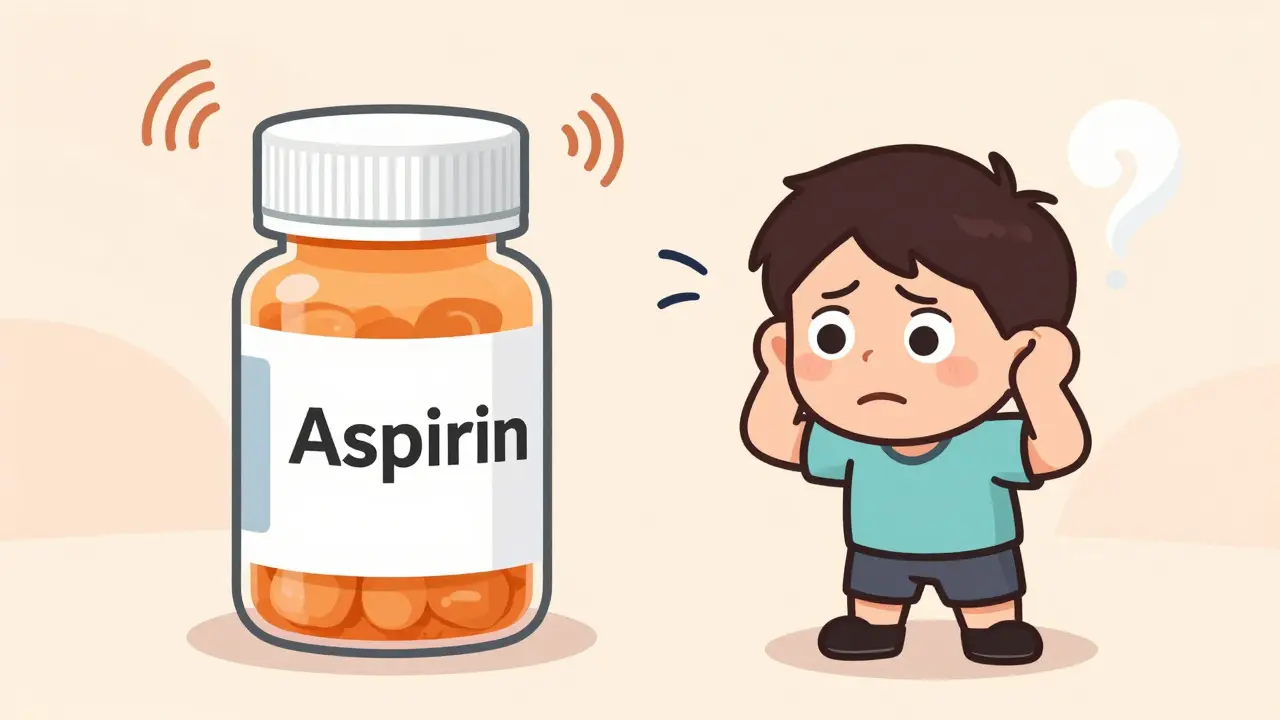
Tinnitus and Ringing in the Ears from Medications: What to Know
Many medications can cause ringing in the ears - from aspirin to antibiotics to chemo drugs. Learn which ones are most likely to trigger tinnitus, how to recognize it early, and what steps to take before permanent damage occurs.
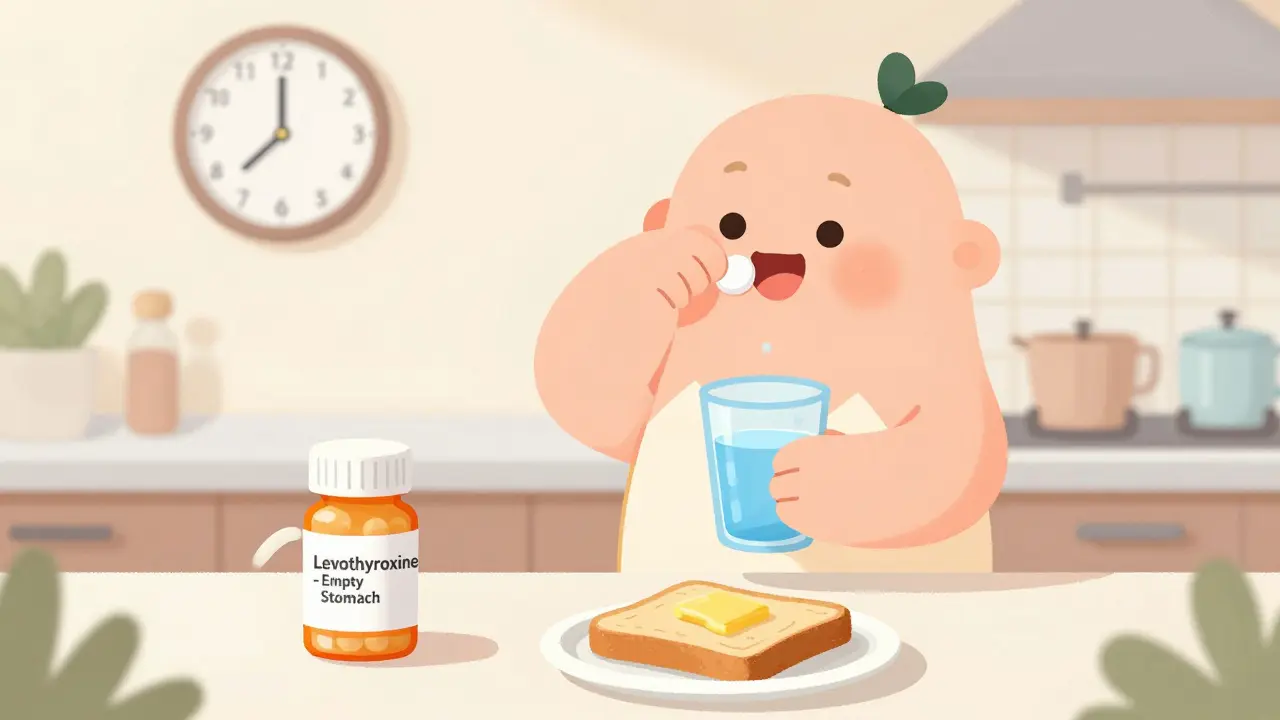
Taking Medications with Food vs Empty Stomach: When It Matters
Taking medications with or without food can make or break their effectiveness. Learn which drugs need an empty stomach, which need food, and how to avoid costly mistakes that reduce results or cause side effects.
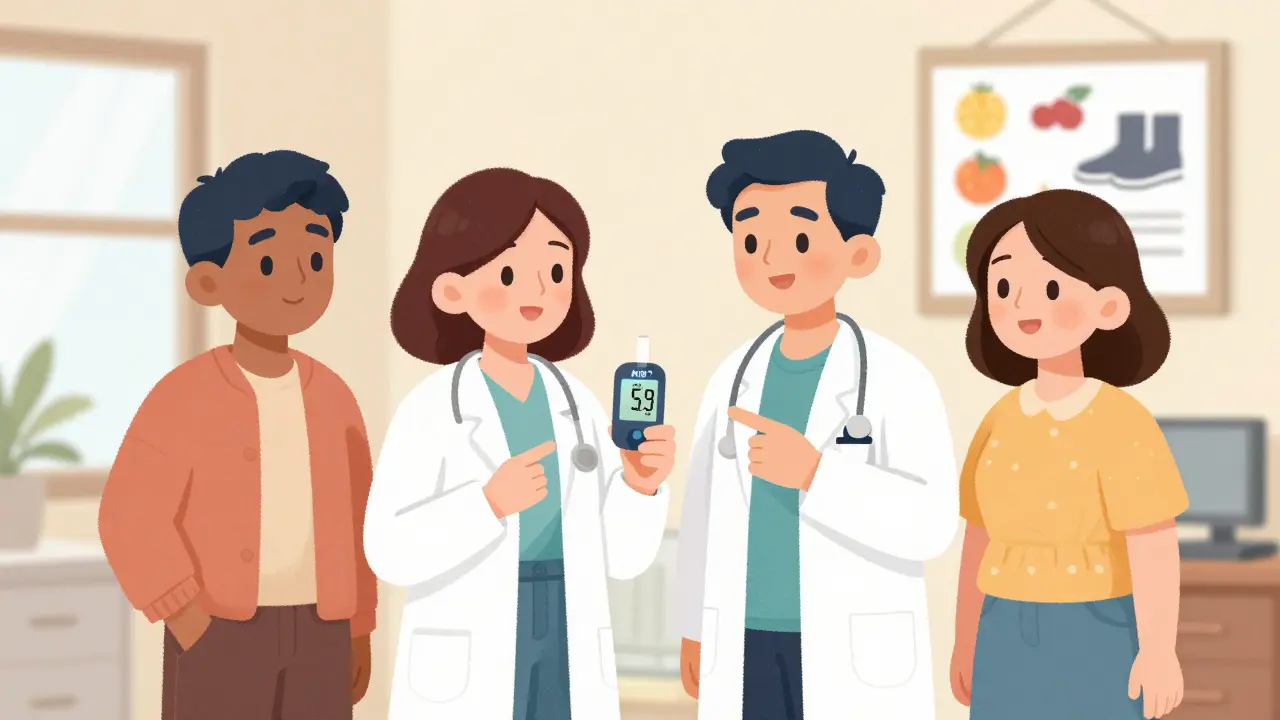
Prediabetes: Early Warning Signs and How to Reverse It Naturally
Prediabetes affects 96 million Americans, but most don't know it. Learn the hidden warning signs and how simple lifestyle changes can reverse it before it turns into type 2 diabetes.

How to Respond to a Suspected Overdose While Waiting for Help
Learn the essential steps to respond to a suspected overdose while waiting for emergency help. From calling 911 to giving rescue breaths and using naloxone, this guide breaks down what to do-no medical training needed.
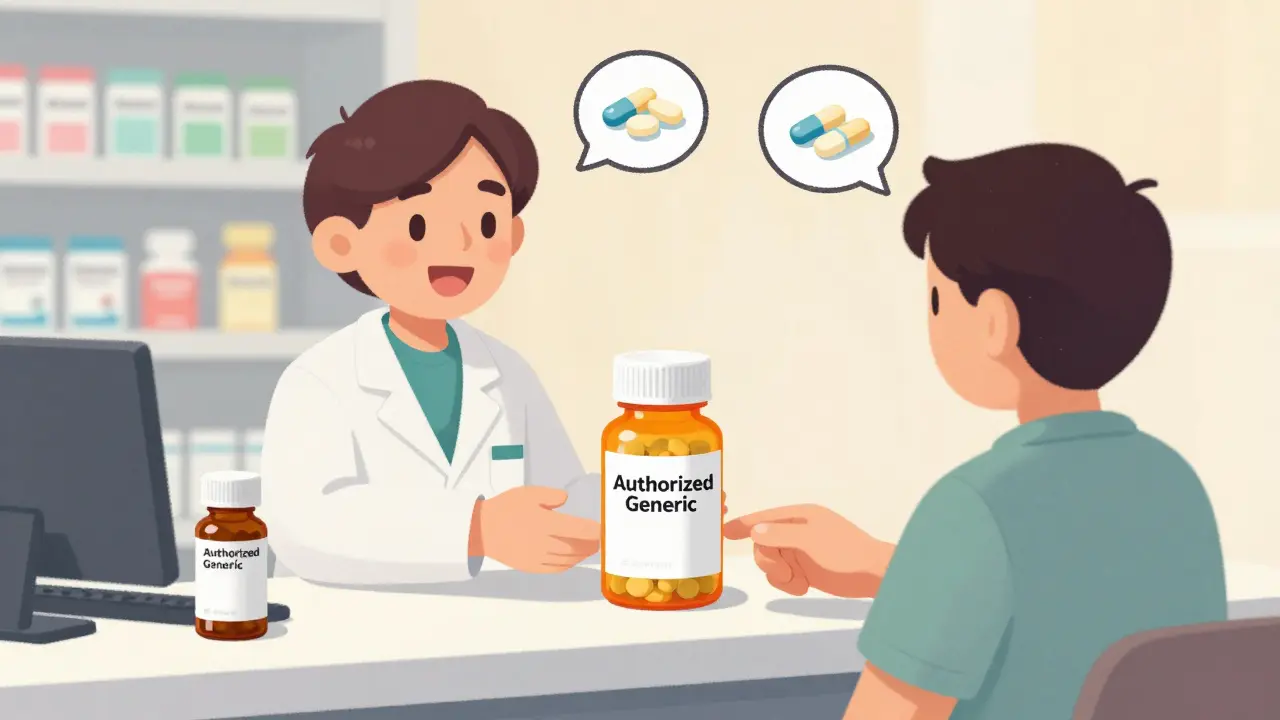
How to Understand Authorized Generics and How They Differ from Traditional Generics
Authorized generics are the exact same drug as brand-name medications, just sold without the brand label. They differ from traditional generics in ingredients, approval, and manufacturing. Learn how to identify them and why they matter for your health.
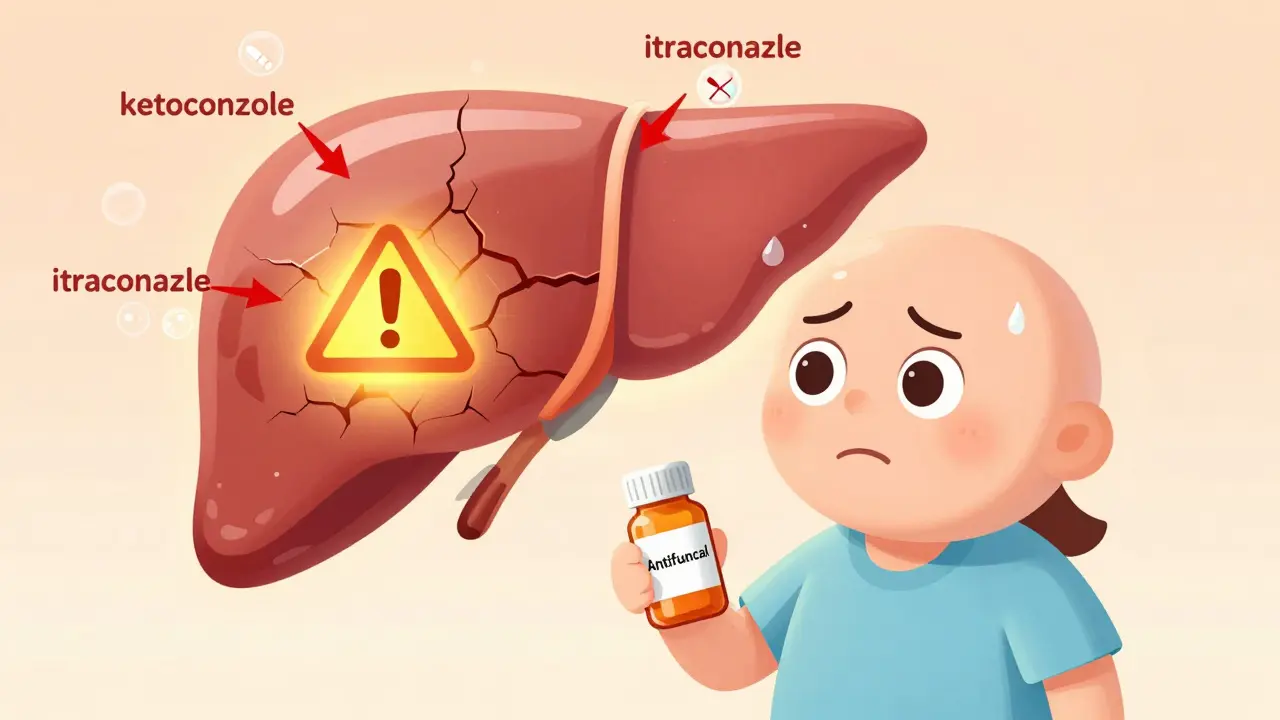
Antifungals: Liver Safety and Drug Interaction Risks
Antifungals like ketoconazole, voriconazole, and itraconazole carry real risks of liver damage and dangerous drug interactions. Learn which ones are safest, who’s most at risk, and how to monitor for liver injury.

SGLT2 Inhibitors and Fournier’s Gangrene: Early Warning Signs and What to Do
SGLT2 inhibitors help manage diabetes but carry a rare risk of Fournier’s gangrene-a life-threatening genital infection. Learn the early warning signs, what to do immediately, and who’s most at risk.
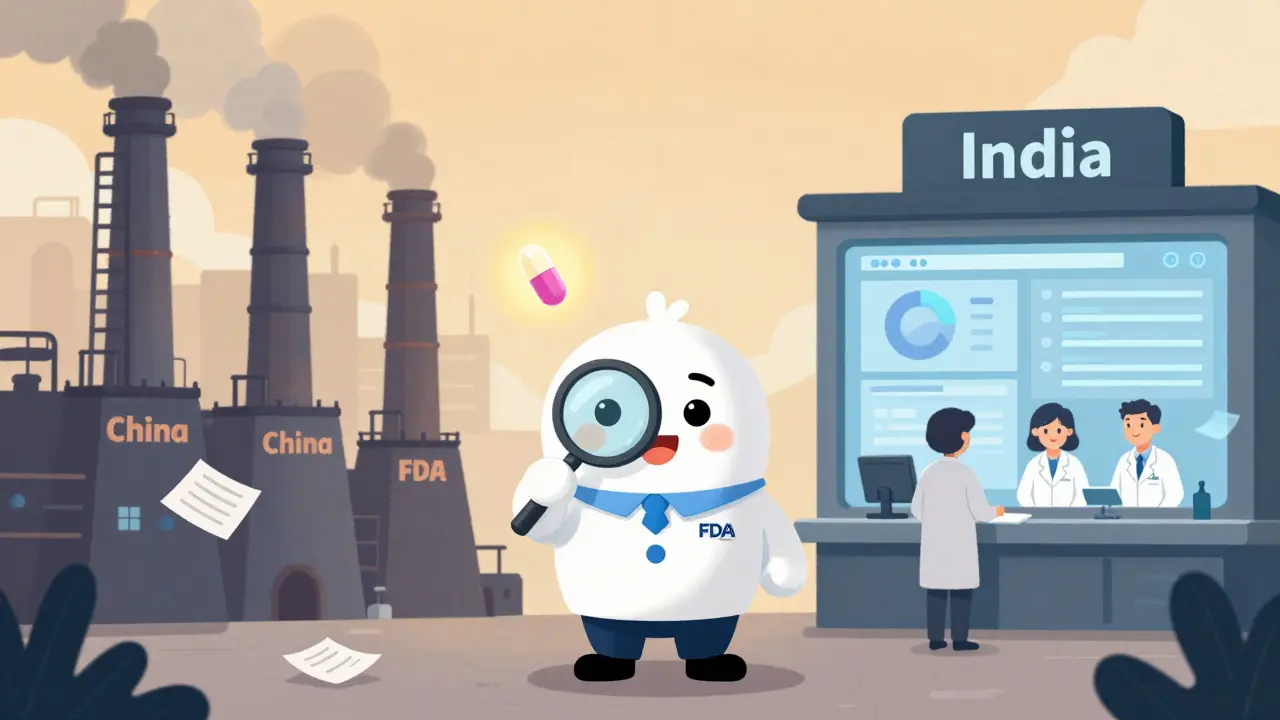
China and India Manufacturing: Risks and FDA Monitoring in Pharma Supply Chains
China and India dominate global pharmaceutical manufacturing, but their quality and FDA compliance differ sharply. India leads in regulatory reliability, while China controls supply volume-creating a critical tension in drug safety.